Toolbox Talks topic

Weather Safety Toolbox Talks

Weather safety toolbox talks for crews who work outdoors or in uncontrolled environments: heat and hydration, cold stress, lightning, high winds, fog, wildfire smoke and wet conditions. Use them to prepare your team for each season in Michigan and beyond.

86 articlesLatest: October 2, 2026

Latest in Weather

Weather6 min read

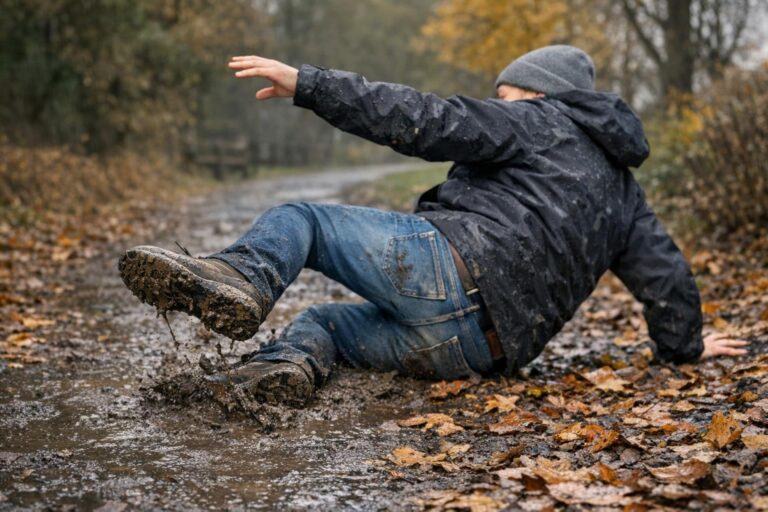
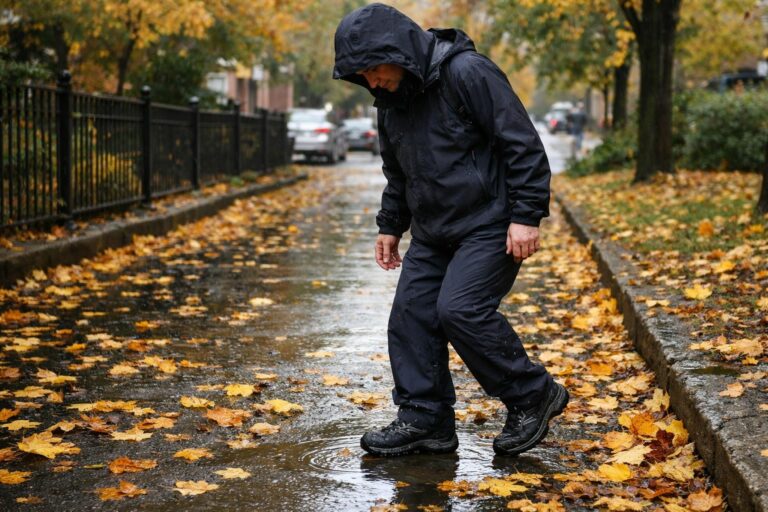
Slips, Trips, and Falls: Staying Safe Around Wet Leaves and Mud

Slips, trips, and falls remain one of the leading causes of workplace injuries across multiple industries. When wet leaves and mud are added to the mix, the risk climbs sharply. These conditions are common…

Read the article
All weather articles

Showing 1–9 of 85 more · newest first

Autumn brings shorter days, colder temperatures, and wet, slippery conditions that dramatically increase the risk of slips, trips, and falls at work.

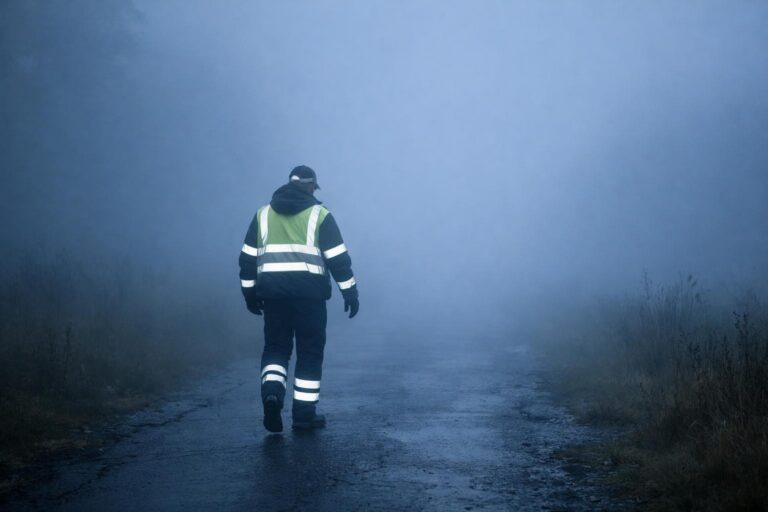
Fog reduces visibility but also changes how people judge speed and distance. Objects can appear farther away than they are, and reflective

Temperature swings, wind and moisture make outdoor work particularly hazardous. The U.S. Occupational Safety and Health Administration (OSHA) notes that both heat

Rapid changes in temperature can stress the body. In cool or cold conditions, your body restricts blood flow to the skin to

Water changes the way surfaces behave. Concrete, steel, scaffolding planks, ladders, grass, clay, and compacted gravel all lose friction when wet. Mud

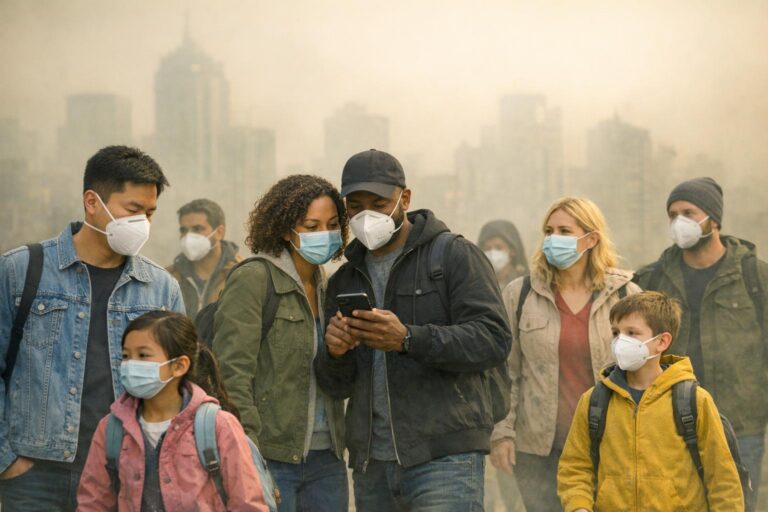
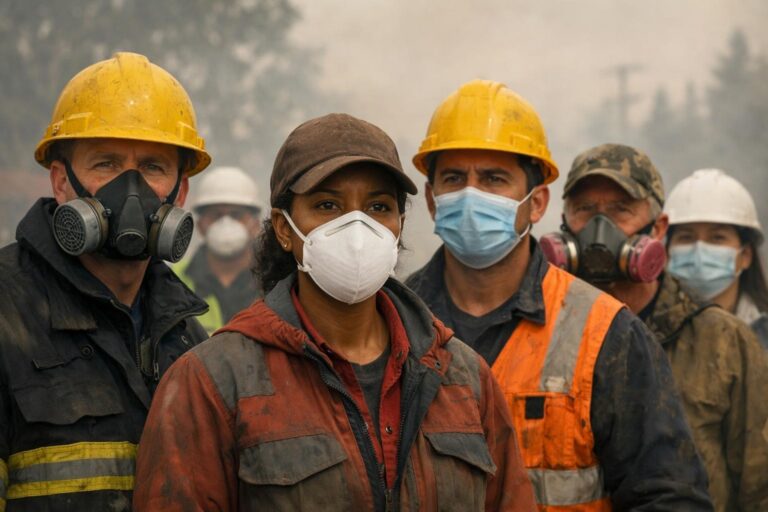
Poor air quality means the air contains harmful substances at levels that can damage your lungs or overall health. These contaminants can

Wildfire smoke is a mixture of gases and fine particles from burning vegetation, building materials, and other fuels. The particles that create

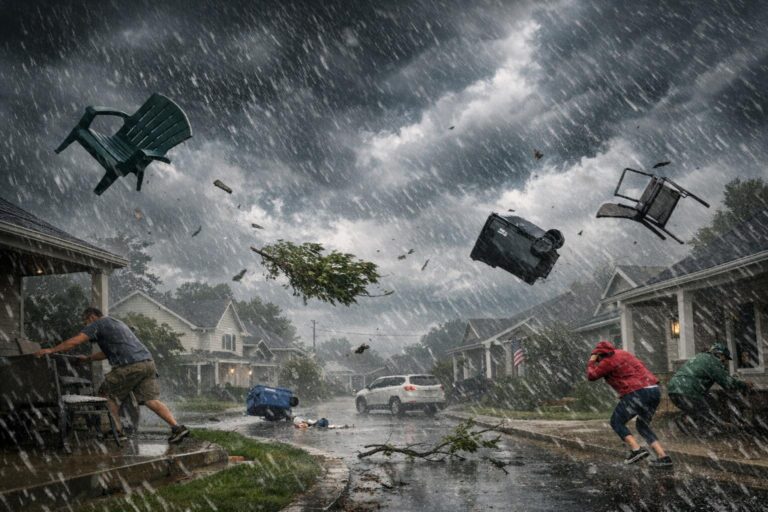
High winds affect worksites long before the rain starts. Gusts can lift loose materials, topple poorly anchored structures, and push over workers

High winds increase forces on everything above ground level: scaffolds, formwork, crane loads, temporary roofs, fencing, and stacked materials. Even moderate gusts

Quick answers

Weather questions

Short answers for supervisors and safety leads.

What should crews do when thunder is heard?

Stop outdoor work and move to a safe shelter: a fully enclosed building with electrical wiring and plumbing, or a hard-topped metal vehicle with the windows rolled up. OSHA and NOAA say to stay sheltered for at least 30 minutes after the last thunder.

How much water should workers drink in the heat?

NIOSH recommends about 1 cup (8 ounces) of water every 15 to 20 minutes during moderate work in the heat lasting less than 2 hours, with electrolyte drinks added for longer periods. Don’t wait until you’re thirsty.

Is there an OSHA standard for heat or cold?

Not yet. OSHA has proposed a federal heat illness prevention rule, but it is not final, and it has no standard specific to cold stress. Employers must still protect workers from recognized hazards under the General Duty Clause, so plan water, rest and shade in the heat, and warm-up breaks and proper layers in the cold.

Put it into practice

Service

Safety System Management

Written programs, inspections and recordkeeping managed for you by our safety team.

Learn more →

Service

Mock OSHA Audit

Find hazards and paperwork gaps before an inspector does, with a written report and fix list.

Learn more →

Everyone goes home safe... every day!

Need help putting this into practice?

Book a mock OSHA audit or talk to a safety expert about your programs, citations and training.