From Chaos to Control: Building an Effective Emergency Response Routine

Four emergency responders—a firefighter, a paramedic, a police officer, and a plainclothes responder—stand together outdoors with serious expressions, prepared to follow their emergency action plan. Emergency vehicles and other responders are visible in the background.

Emergencies can strike at any time, often without warning. Whether it’s a fire, chemical spill, medical emergency, or natural disaster, the difference between chaos and control often comes down to preparation. Building an effective emergency response routine is essential for every workplace, regardless of industry or size. This toolbox talk will guide you through the […]

Leading Through the Alarm: What Great Leaders Do During Fire Emergencies

Four serious adults in formal attire stand before a burning building, smoke and firefighters behind them, addressing a group. One man gestures as he speaks about fire emergency leadership and workplace fire safety.

Fire emergencies are among the most critical situations any workplace can face. The difference between chaos and calm often comes down to leadership. Great leaders know that their actions during a fire emergency can save lives, minimize injuries, and protect property. This toolbox talk explores the essential qualities and actions of effective leaders during fire […]

Why People Freeze During Emergencies — And How Drills Can Change That

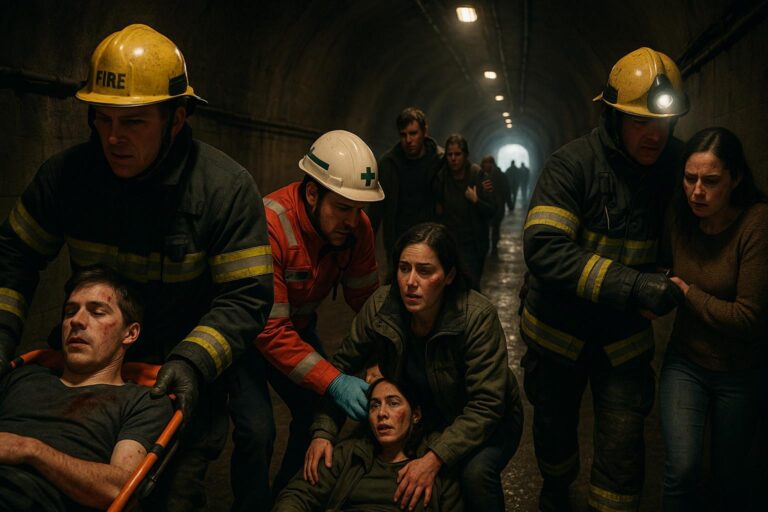
Four people stand in a smoky subway tunnel, looking frightened. Behind them, a crowd rushes toward the camera, fleeing from something unseen—highlighting the importance of workplace emergency preparedness and safety drills in high-stress situations.

Emergencies can strike at any time, whether in the workplace, at home, or in public spaces. While many people believe they will act quickly and decisively in a crisis, research shows that freezing is a common response. Understanding why people freeze during emergencies and how regular safety drills can help overcome this reaction is crucial […]

Prepared or At Risk? What the Stats Say About Emergency Response in the Workplace

Introduction Emergency response in the workplace is a critical component of occupational safety. Whether it’s a fire, medical emergency, chemical spill, or natural disaster, how prepared your team is can mean the difference between safety and tragedy. But what do the statistics say about workplace emergency preparedness? Are most organizations ready to respond, or are […]

Seconds Matter: The Human Cost of Skipping Fire Drills

Fire safety is a critical concern in every workplace, school, and public building. While fire drills may seem routine or even disruptive, their importance cannot be overstated. Seconds matter when a fire breaks out, and skipping fire drills can have devastating human costs. This toolbox talk will explore why regular fire drills are essential, the […]

Maintaining Safe Walkways and Stairways

A group of three people are seated around a table having a discussion in a modern office hallway. The hallway is lined with lockers on the right and glass partitions on the left. The space is well-lit and has a contemporary design.

Slips, trips, and falls are among the most common workplace injuries, and many of these accidents occur due to poorly maintained walkways and stairways. Whether in an office, warehouse, construction site, or manufacturing plant, ensuring safe, clear, and hazard-free pathways is critical to preventing injuries and keeping employees safe. Today, we’ll discuss common trip hazards, […]

Decluttering for Safety: Creating Hazard-Free Zones

A person in a white shirt is decluttering as they organize documents in a filing cabinet. The open drawer reveals neatly arranged folders. Soft light filters through the window, creating a sense of calm and order in this hazard-free zone.

A cluttered workplace isn’t just an eyesore—it’s a serious safety hazard. Excess materials, misplaced tools, and general disorganization can lead to slips, trips, and falls, fire hazards, and obstructed emergency exits, all of which put employees at risk. That’s why decluttering for safety should be a priority in every workplace. Decluttering is about more than […]

How Clean Workspaces Prevent Accidents

A person sits at a desk using a laptop, surrounded by a notebook, calculator, and cup of coffee. With an eye on workplace safety, the clean workspace includes a plant, lamp, phone, and glasses neatly arranged on the wooden floor visible beneath.

A clean workspace is more than just visually appealing—it’s a critical component of workplace safety. Cluttered and disorganized work areas increase the risk of slips, trips, and falls, which are among the leading causes of workplace injuries. Additionally, poor housekeeping can lead to fire hazards, blocked emergency exits, and reduced efficiency. By implementing proper housekeeping […]

Critical Response: Assessing the Long-Term Impacts of Workplace Emergency Training

A person wearing an orange safety vest stands in front of a whiteboard that has "Fire Safety" written on it in red. They are holding a red fire extinguisher in one arm while gesturing with their other hand, emphasizing the importance of workplace emergency training during an indoor session.

In today’s rapidly evolving work environment, the significance of workplace emergency training cannot be overstated. The fabric of safety within any organization is interwoven with the thread of preparedness—how ready are employees to handle a crisis? This narrative delves into the profound long-term impacts of implementing a robust workplace emergency training program, illustrating its importance […]

Crafting a Comprehensive Emergency Action Plan for Electrical Incidents in the Workplace

A cluttered desk displays an electrical blueprint, various wiring components, a European plug, a circuit breaker, a voltage tester, a roll of LED strip lights, and an orange arrow-shaped sticky note. The workplace seems dedicated to electrical planning or repair and ready for any potential electrical incidents.

In today’s fast-paced industrial environment, ensuring electrical safety in the workplace is a critical concern. A well-structured emergency action plan is essential to manage and mitigate the risks associated with electrical incidents. This concise guide provides a streamlined approach to developing such a plan. 1. Identify Electrical Hazards 2. Form an Emergency Response Team (ERT) […]