Autumn brings shorter days, colder temperatures, and wet, slippery conditions that dramatically increase the risk of slips, trips, and falls at work. Wet leaves, mud, standing water, early frosts, and poor visibility can quickly turn routine tasks into serious hazards. Preventing slip, trip, and fall incidents in wet autumn conditions is essential for protecting workers, avoiding injuries, and maintaining productivity.
Slips, trips, and falls remain one of the most common causes of workplace injury. The UK Health and Safety Executive (HSE) reports that slips, trips or falls on one level were responsible for 32% of all non-fatal workplace injuries reported in 2022/23, making them the single most common cause of non-fatal injuries. The same data shows they accounted for 30% of non-fatal workplace injuries reported by employers under RIDDOR in the same period. These incidents are largely preventable when employers and workers focus on seasonal hazards and take proactive measures.
Source: HSE Statistics
Common Slip, Trip, and Fall Hazards in Autumn
Typical wet autumn hazards include:
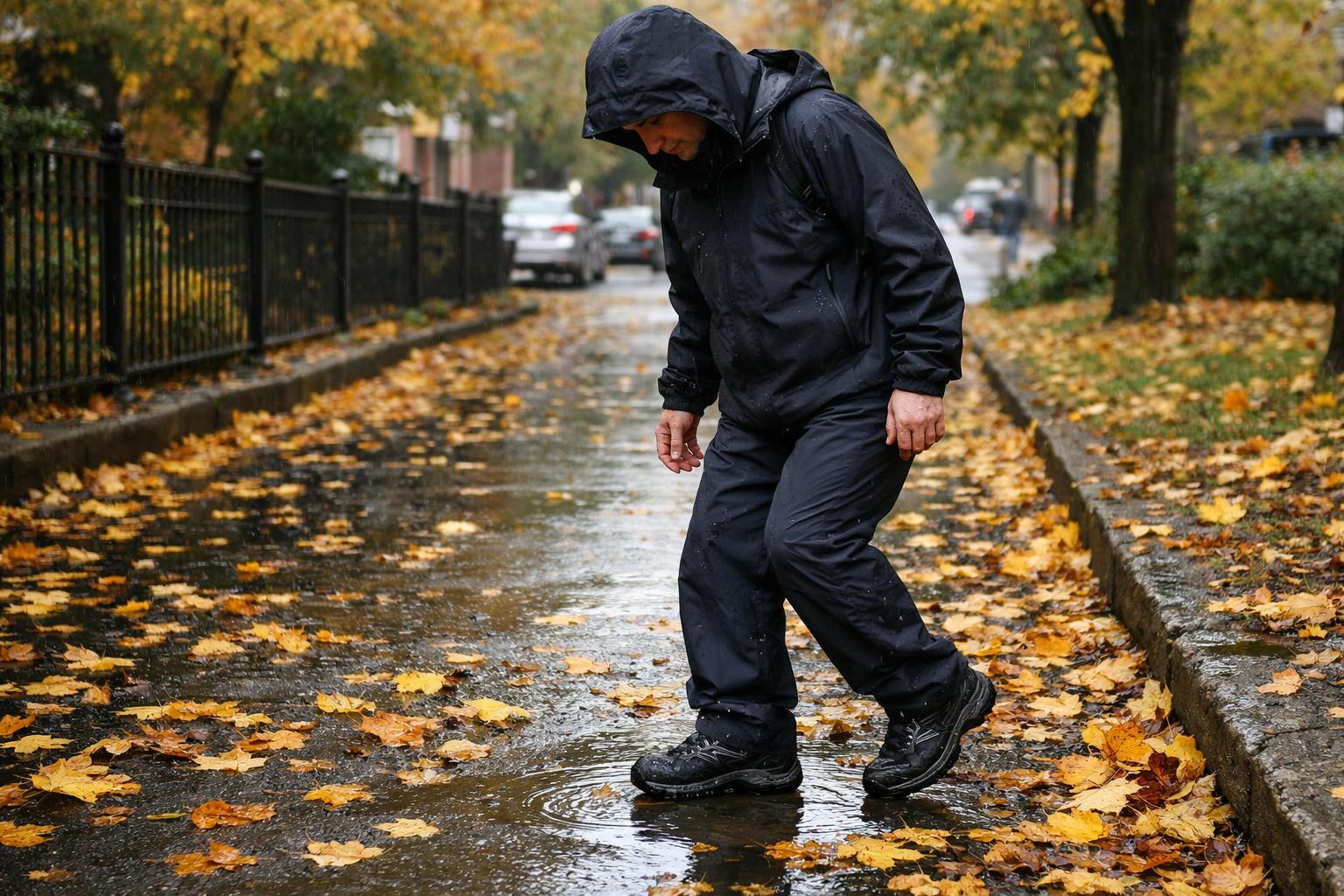
- Slippery walkways from wet leaves, algae, or mud
- Smooth external surfaces such as metal ramps, steps, or platforms
- Water pooling in low spots and doorway thresholds
- Contaminants such as oil or fuel mixing with rainwater
- Clogged drains or gutters causing overflow and standing water
- Uneven ground hidden under leaves or poor lighting
- Damaged or worn slip-resistant flooring and matting
- Inadequate or missing handrails on steps and ramps
A walk-through inspection during or immediately after rain gives the most realistic view of how your workplace behaves in autumn weather. Look for water trails, mud paths, and areas of high foot traffic to identify priority improvements.
Engineering Controls: Designing Out Slip and Trip Risks
Effective slip, trip, and fall prevention starts with engineering controls that reduce exposure to wet and uneven surfaces:
- Improve drainage on external walkways, loading bays, and car parks
- Specify and install slip-resistant surfaces where wet conditions are common
- Use canopy covers or shelters at entrances to keep walking surfaces dry
- Install handrails on stairs, ramps, and any change in level
- Repair potholes, damaged kerbs, and uneven slabs before autumn
- Provide high-quality entrance matting long enough to dry footwear
- Ensure gutters, channels, and drains are correctly sized and maintained
When possible, design pedestrian routes away from vehicle routes and areas known to accumulate water or mud. Reduce the need for workers to walk on grass, soil, or unpaved areas that quickly become slippery in wet weather.
Housekeeping: Keeping Surfaces Clear and Clean
Good housekeeping is one of the most powerful defences against slip, trip, and fall incidents. In wet autumn conditions, this means:
- Setting a schedule for clearing leaves from walkways, steps, and access routes
- Sweeping and cleaning external paths regularly to remove mud and debris
- Responding quickly to spills, leaks, or standing water inside and outside
- Keeping walkways clear of tools, materials, hoses, and waste
- Using clearly marked routes and keeping them free from obstructions
- Checking and replacing worn or saturated entrance mats
Make sure cleaning methods match the surface and conditions. For example, wet mopping may temporarily increase slip risk if areas are not cordoned off until dry. Use appropriate slip-resistant cleaning agents and check that no slippery residues remain.
Footwear and Personal Protective Equipment
Footwear is a critical control for workers in wet autumn conditions. Employers should:
- Specify slip-resistant footwear suitable for the surfaces and contaminants present
- Review footwear policies before autumn and communicate expectations clearly
- Inspect footwear regularly for worn tread or damage that reduces grip
- Provide guidance on cleaning soles to remove mud, oil, or debris that can compromise traction
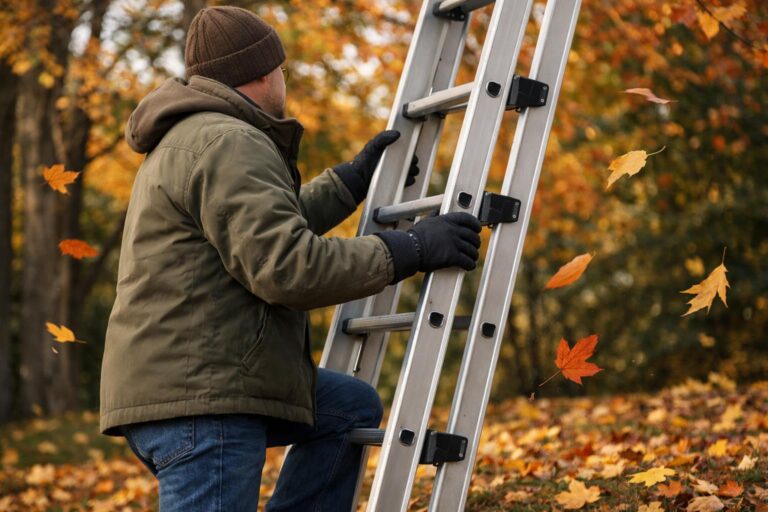
In some environments, additional personal protective equipment (PPE), such as insulated gloves for cold handrails, may be needed to help workers maintain a secure grip on ladders and guardrails.
Safe Walking, Working, and Access Practices
Even with good engineering and housekeeping controls, worker behaviour remains essential:
- Encourage a “take your time” culture, especially in bad weather
- Promote using designated walkways, avoiding shortcuts over grass or mud
- Instruct workers to use handrails on stairs and ramps at all times
- Teach the “three points of contact” rule when using ladders or steps
- Emphasise walking with shorter steps and a wider stance on wet surfaces
- Avoid carrying loads that obstruct view or prevent use of handrails
Toolbox talks should focus on real examples from your workplace, such as a specific slippery ramp, a poorly lit stairwell, or a recurring mud track from a work area to the office. Ask workers where they feel most at risk and incorporate their feedback into controls.
Lighting and Visibility in Darker Months
As daylight decreases, visibility becomes a major factor in autumn slip, trip, and fall incidents. To manage this risk:
- Assess lighting levels on walkways, car parks, loading bays, and staircases
- Repair or replace failed lamps and damaged fittings promptly
- Position lighting to avoid glare or deep shadow on walking surfaces
- Use reflective markers on steps, edges, and changes in level
- Provide portable lighting where temporary routes are in use
Consider how clocks changing and shift patterns affect workers’ exposure to darkness at the start and end of their day.
Planning and Communication
An effective autumn slip, trip, and fall prevention plan should be documented, communicated, and reviewed. Key elements include:
- A seasonal risk assessment focusing on wet, leaf-covered, and icy surfaces
- A written schedule for leaf clearance, drain checks, and walkway inspections
- Clear responsibilities for maintenance, cleaning, and inspections
- A simple reporting process for workers to highlight new hazards
- Training and toolbox talks timed before and during the autumn period
Investigate any slip, trip, or fall, no matter how minor. Identify contributing factors such as poor lighting, footwear, housekeeping, or surface condition, and update your controls accordingly. Data from internal reports coupled with national statistics highlight that these incidents are highly preventable when organisations plan specifically for seasonal conditions.
With targeted engineering controls, strong housekeeping, suitable footwear, and clear worker communication, organisations can significantly reduce slip, trip, and fall incidents in wet autumn conditions and keep everyone treading carefully and safely through the season.