Toolbox Talks topic

Fall Protection Toolbox Talks

Fall protection and slip, trip and fall toolbox talks: ladders, walkways and stairways, guardrails, fall arrest and restraint systems, winter conditions and the OSHA rules behind them. Falls remain one of the leading causes of serious workplace injuries, so use these talks to keep fall hazards top of mind.

54 articlesLatest: April 21, 2025

Latest in Fall Protection

Fall Protection5 min read

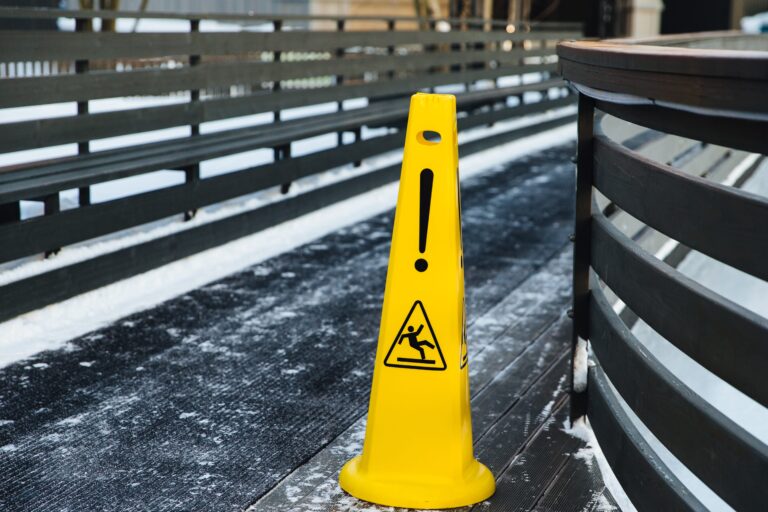
Preventing Slips, Trips, and Falls with Good Housekeeping

Slips, trips, and falls are among the most common and costly workplace accidents. These incidents can lead to serious injuries, lost productivity, and expensive workers' compensation claims. Effective slip trip fall prevention strategies can…

Read the article

All fall protection articles

Showing 1–9 of 53 more · newest first

Slips, trips, and falls are among the most common workplace injuries, and many of these accidents occur due to poorly maintained walkways

A cluttered workplace isn’t just an eyesore—it’s a serious safety hazard. Excess materials, misplaced tools, and general disorganization can lead to slips,

Winter months present unique safety hazards in the workplace, including increased risks of workplace injuries, slips, trips, and falls caused by ice,

Overhead cranes are powerful tools widely used across various industries for lifting and transporting heavy loads. However, the risks associated with their

Introduction: Winter can bring additional hazards to the workplace, especially for industries that operate outdoors or in unheated environments. Cold temperatures, icy

Winter brings a unique set of challenges for workplaces, with snow and ice creating hazards that can impact both employee safety and

Winter introduces unique challenges in industrial workplaces, where freezing temperatures, icy surfaces, and cold-induced equipment issues can compromise both safety and productivity.

As winter approaches, it brings a unique set of workplace hazards that can increase the risk of injury. Cold temperatures, icy surfaces,

The winter air was biting, and snowflakes drifted steadily down as crews gathered for another day on the job. For these outdoor

Quick answers

Fall Protection questions

Short answers for supervisors and safety leads.

At what height is fall protection required?

In construction, OSHA generally requires fall protection at 6 feet or more above a lower level (29 CFR 1926.501(b)(1)), although some work such as scaffolding has its own trigger height. In general industry, the trigger is generally 4 feet (29 CFR 1910.28(b)(1)). Work above dangerous equipment requires protection at any height (1910.28(b)(6) and 1926.501(b)(8)).

How high does a guardrail top rail need to be?

The top edge of the top rail must be 42 inches, plus or minus 3 inches, above the walking-working surface, with a midrail or equivalent protection below it unless there is a wall or parapet at least 21 inches high (29 CFR 1910.29(b) and 1926.502(b)).

Who needs fall protection training?

In construction, every worker who might be exposed to fall hazards must be trained by a competent person, and the training must be certified in writing (29 CFR 1926.503). In general industry, workers who use personal fall protection, and certain others, must be trained by a qualified person (29 CFR 1910.30).

Put it into practice

Service

Safety System Management

Written programs, inspections and recordkeeping managed for you by our safety team.

Learn more →

Service

Mock OSHA Audit

Find hazards and paperwork gaps before an inspector does, with a written report and fix list.

Learn more →

Everyone goes home safe... every day!

Need help putting this into practice?

Book a mock OSHA audit or talk to a safety expert about your programs, citations and training.