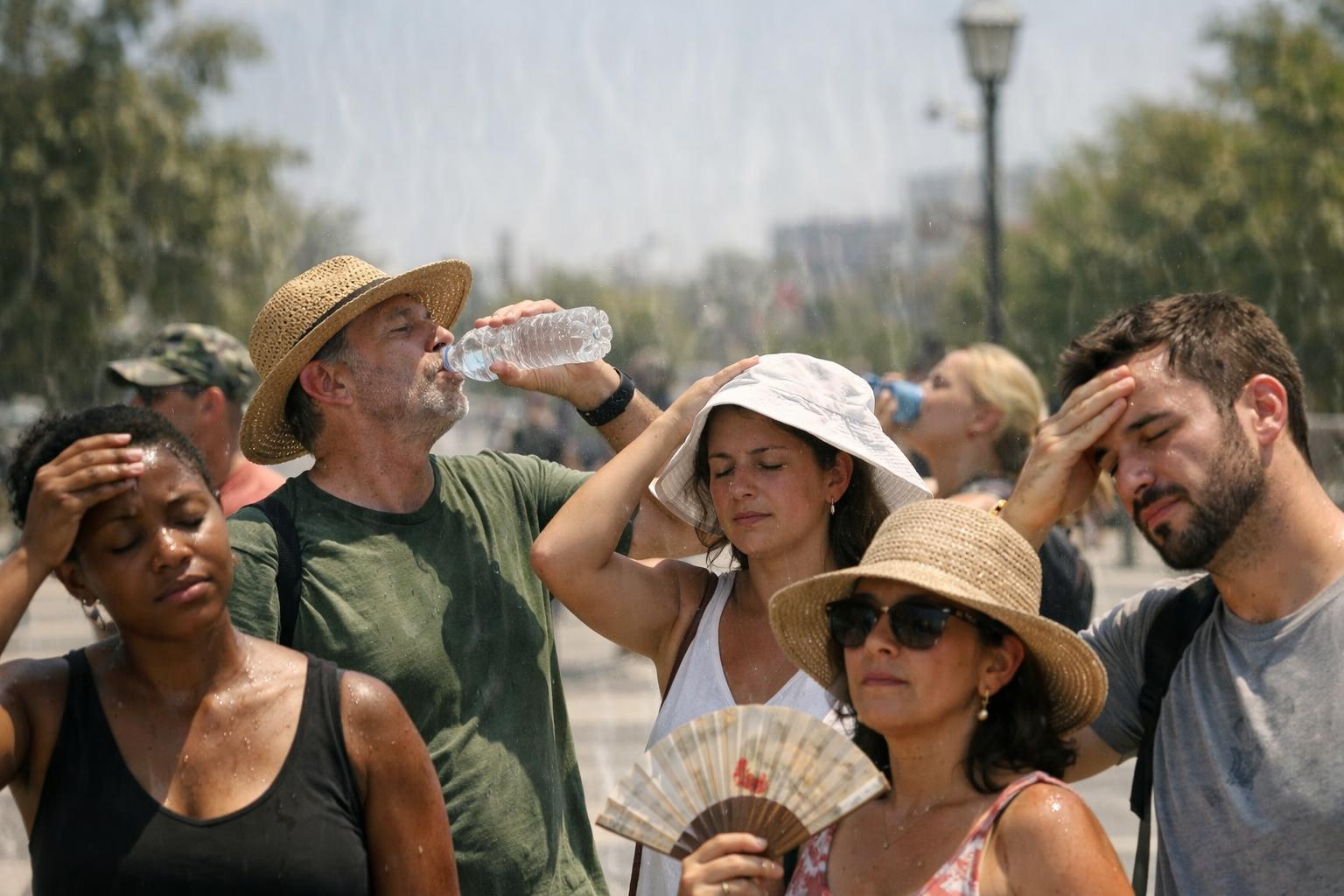
Working in hot environments is part of many jobs: construction, landscaping, road work, mining, utilities, agriculture, warehousing and manufacturing. Heat is more than just uncomfortable. It can quickly turn dangerous and even fatal if heat exhaustion or heat stroke is not recognized and treated early.
Heat stress happens when the body cannot get rid of excess heat fast enough. Core temperature rises, the heart works harder, and sweating leads to fluid and salt loss. Without proper controls, this can progress from heat cramps to heat exhaustion and finally to heat stroke, which is a medical emergency.
Understanding Heat Exhaustion
Heat exhaustion is the body’s response to loss of water and salt, usually through heavy sweating during physical work in hot conditions. It is serious and can escalate to heat stroke if not addressed quickly.
Common symptoms of heat exhaustion include:
- Heavy sweating
- Weakness or fatigue
- Cool, pale, clammy skin
- Headache
- Dizziness or light-headedness
- Nausea or vomiting
- Fast, weak pulse
- Muscle cramps
- Fainting or near-fainting
Workers with heat exhaustion often feel unwell but may try to “push through” to get the job done. This is dangerous. Any worker showing these signs needs immediate attention and must stop work right away.
Key risk factors for heat exhaustion:
- High temperature and humidity
- Direct sun exposure or radiant heat from equipment and surfaces
- Heavy physical workload
- Tight or impermeable PPE or clothing
- Inadequate hydration and rest breaks
- Poor physical condition or lack of heat acclimatization
- Certain medications, alcohol use, or underlying medical conditions
Recognizing Heat Stroke
Heat stroke is the most severe heat-related illness and can be fatal. It occurs when the body loses its ability to control temperature. Core body temperature can rise to 40°C (104°F) or higher, and vital organs are at risk of damage.
Warning signs of heat stroke include:
- Hot, red, dry or very damp skin
- Very high body temperature
- Confusion, slurred speech, irritability or agitation
- Loss of coordination or staggering
- Seizures
- Unconsciousness or loss of responsiveness
- Rapid, strong pulse
Unlike heat exhaustion, sweating may be reduced or absent in heat stroke, especially in very advanced cases. Anyone with suspected heat stroke is in immediate danger and needs emergency medical help.
Why Heat Illnesses Are a Critical Safety Issue
Occupational heat stress is a significant global concern. The World Health Organization reports that occupational exposure to high heat causes a substantial number of work-related deaths each year and increases the risk of accidents and injuries as concentration and coordination decline.
High heat also reduces productivity and can affect decision-making and reaction time. Even mild dehydration can impair mental performance and physical endurance, which increases the likelihood of incidents on site.
Recognizing early warning signs and responding quickly protects workers and reduces costly downtime, claims and incidents.
Prevention: Controls and Safe Work Practices
A strong heat stress prevention program uses a combination of engineering controls, administrative controls and personal protective measures.
Engineering controls:
- Provide shade or cooled rest areas in or near work zones
- Use fans or mechanical ventilation where possible
- Reduce radiant heat from hot surfaces with barriers, insulation or reflective materials
- Schedule hot tasks in areas with better airflow when feasible
Administrative controls:
- Schedule the heaviest work for cooler times of the day, such as early morning or late afternoon
- Rotate workers through hot tasks to limit individual exposure
- Implement mandatory rest and water breaks based on temperature, humidity and workload
- Use a buddy system so workers can monitor each other for heat stress symptoms
- Ensure new workers and those returning from absence are gradually acclimatized to the heat over 7–14 days
- Train supervisors and workers on recognizing and responding to heat illnesses
Personal protective measures:
- Encourage workers to drink water frequently, even if they are not thirsty
- Provide cool, potable water close to the work area
- Use electrolyte-replacement drinks when sweating heavily for prolonged periods
- Encourage light-colored, loose-fitting, breathable clothing where compatible with safety and PPE requirements
- Use cooling towels, cooling vests or other approved cooling PPE in high-heat conditions
- Educate workers to avoid alcohol and limit caffeine before and during shifts in hot conditions
Hydration Guidelines
Dehydration is a major driver of heat exhaustion and can set in quickly. A common guideline for hot work is:
- Aim for about 1 cup (approximately 250 ml) of cool water every 15–20 minutes during heavy work in high heat
- Do not rely on thirst alone; by the time you feel thirsty you may already be dehydrated
- Use electrolyte drinks in moderation, particularly during prolonged, heavy sweating
Recognizing Early Signs and Responding On Site
Everyone on site shares responsibility for identifying and responding to heat stress. Workers should be taught to:
- Monitor themselves and co-workers for symptoms
- Speak up immediately if they feel unwell, light-headed, nauseous or unusually fatigued
- Move to a cool or shaded area at the first sign of heat exhaustion
- Notify a supervisor so further steps can be taken
If you suspect heat exhaustion:
- Stop work and move the person to a cooler, shaded area
- Loosen clothing and remove unnecessary PPE if it is safe to do so
- Provide cool water in small, frequent sips if the person is fully conscious and not vomiting
- Apply cool, wet cloths or sponges to the skin
- Use a fan or air movement to help cooling
- Keep the person under continuous observation; if symptoms worsen or do not improve quickly, escalate to emergency medical care
If you suspect heat stroke:
- Call emergency medical services immediately
- Move the person to a cool area and lay them on their side if possible
- Begin active cooling: cool, wet cloths, ice packs to neck, armpits and groin, and fanning
- Do not give fluids if the person is unconscious, having seizures or cannot safely swallow
- Stay with the person until emergency responders arrive
Roles and Responsibilities
Employers:
- Assess heat risks for each job and develop a written heat stress program
- Provide training, equipment, shade, water and rest areas
- Establish clear procedures for monitoring conditions and responding to heat illnesses
- Empower supervisors to stop work when heat risks are high
Supervisors:
- Monitor weather and heat index before and during shifts
- Enforce rest and hydration schedules
- Watch for early symptoms among crew members
- Support acclimatization for new and returning workers
- Ensure emergency procedures are understood and practiced
Workers:
- Follow hydration and rest guidelines
- Wear appropriate clothing and PPE for hot conditions
- Report symptoms early for themselves or co-workers
- Participate in training and toolbox talks
- Look out for one another
Building a Strong Heat Safety Culture
A proactive heat safety culture treats heat stress as a predictable, manageable risk rather than an unavoidable part of the job. Planning work around weather conditions, adjusting expectations on extreme heat days, and openly discussing symptoms during toolbox talks all help remove stigma around speaking up.
When workers understand that reporting heat symptoms is a sign of professionalism and not weakness, they are more likely to act early. Early action is what prevents heat exhaustion from progressing to heat stroke and keeps everyone safer on hot days.
Links (Sources)
- World Health Organization – Heat and health
- U.S. Centers for Disease Control and Prevention – Heat Stress at Work
- U.S. Occupational Safety and Health Administration – Heat