Thirst is a delayed warning signal, not an early alert. When you start to feel thirsty, your body is already losing fluids and electrolytes that are essential for safe work. Even mild dehydration can reduce concentration, slow reaction time, and increase the risk of mistakes.
Research shows that losing as little as 1–2% of body weight in fluid can impair cognitive performance and physical function, especially in heat. That level of fluid loss can happen quickly during a long, hot shift with heavy physical activity and PPE.
For safety-critical work, “I’ll drink when I’m thirsty” is not a strategy. You need a schedule and a plan before you ever step onto the job site.
How Heat and Work Increase Your Fluid Needs
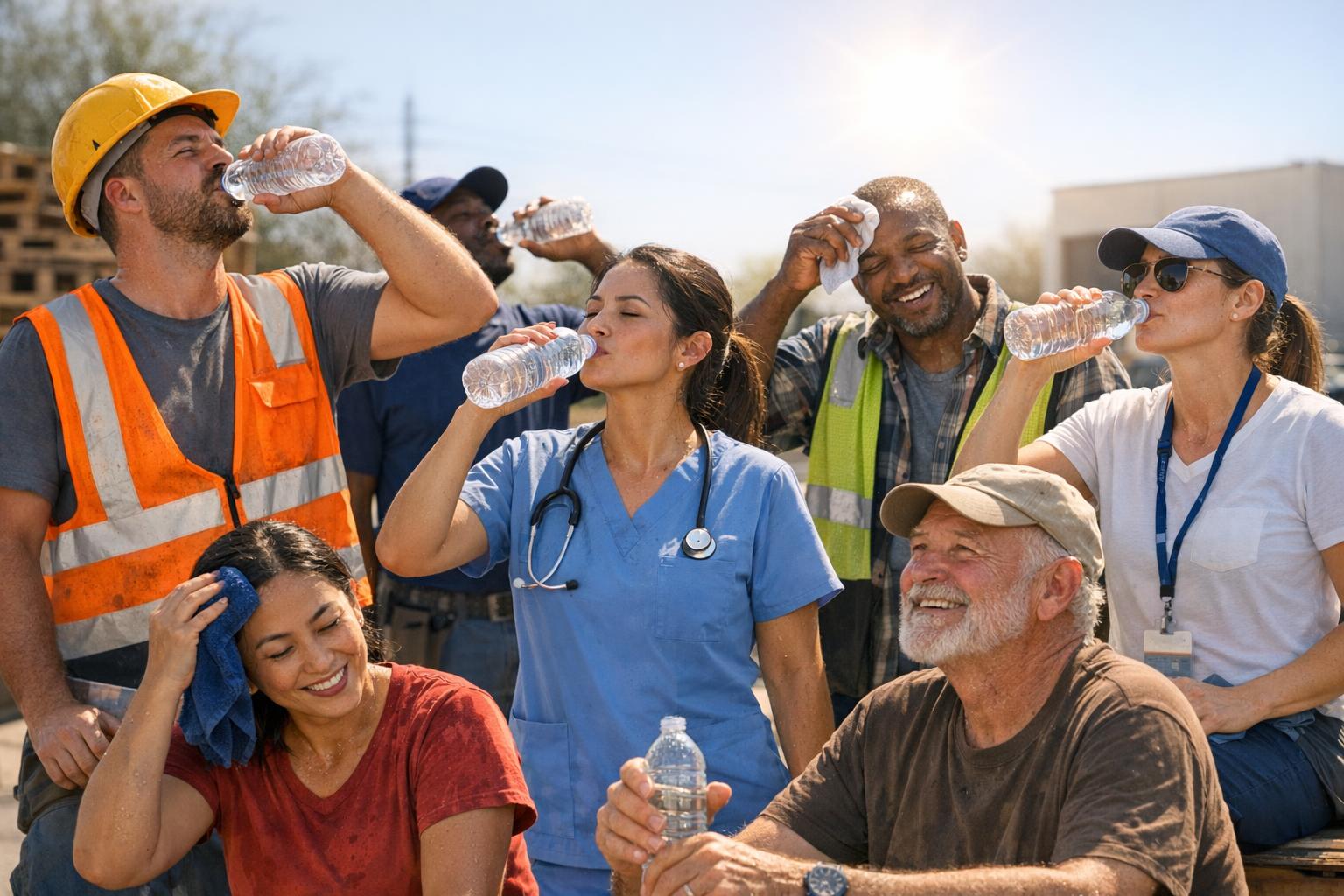
Working in hot or humid conditions, in direct sun, or near hot equipment dramatically increases sweat loss. Heavy PPE, coveralls, gloves, and respiratory protection trap heat and make it harder for your body to cool itself, which means more sweating and faster fluid loss.
Factors that increase your hydration needs include:
- High air temperature and humidity
- Direct sun or radiant heat from equipment
- Heavy physical work (lifting, carrying, climbing, shoveling)
- Multiple layers of clothing or PPE
- Poor airflow or confined spaces
- Higher body weight or low fitness level
These factors stack. A worker in heavy PPE doing physical work in a hot, humid environment can lose more than a liter of fluid per hour through sweat. Without a proactive hydration plan, dehydration becomes a certainty, not a possibility.
Early Warning Signs of Dehydration on the Job
Mild dehydration is easy to miss, especially when workers are focused on production. It does not always start with extreme thirst. Watch for:
- Dry mouth or sticky saliva
- Headache or feeling “foggy”
- Fatigue or unusual tiredness
- Dizziness or lightheadedness when standing up
- Dark yellow, strong‑smelling urine
- Muscle cramps, especially in legs or hands
- Irritability or unusual mood changes
As dehydration worsens, more serious symptoms can appear: rapid pulse, confusion, nausea, or fainting. At this point, it is a medical issue and a serious safety risk, especially if the worker is operating equipment, working at height, or around traffic or energized systems.
Smart Hydration Strategies for Long, Hot Shifts
Smart hydration is about routine, not guesswork. Build these steps into your daily operations.
Drink on a Schedule, Not by Thirst
- Take a drink every 15–20 minutes in hot conditions, even if you do not feel thirsty.
- A typical target is about 1 cup (250 ml) every 15–20 minutes, adjusting based on heat, work intensity, and medical guidance.
- Encourage small, frequent sips over chugging a large amount at once.
Start Hydrated Before the Shift
- Begin drinking water early in the day, not just when you arrive at the site.
- Check your urine color before work: pale straw to light yellow usually indicates better hydration than dark yellow.
Use Water as Your Primary Fluid
- Plain, cool water should be the main drink for most workers.
- For very heavy sweating over long periods (more than 2 hours in the heat), an electrolyte drink can help replace sodium and other minerals.
- Avoid energy drinks and high‑caffeine beverages, which can worsen dehydration and affect heart rate and sleep.
Plan and Place Hydration Stations
- Position cool drinking water within easy reach of all work areas.
- Use insulated coolers or plumbed stations to keep water cool, which encourages workers to drink.
- Provide disposable or labeled reusable bottles so workers can track their intake.
Pair Water Breaks with Task Breaks
- Align hydration with micro‑breaks for tasks involving heavy labor or heat exposure.
- Make “water checks” part of standard job steps, just like tool checks or lockout/tagout.
- Supervisors should lead by example, stopping to drink on the schedule they expect from the crew.
Recognize When Water Alone is Not Enough
In extreme conditions or for workers who sweat heavily, water alone may not fully replace lost salts. Muscle cramps, continued fatigue, and ongoing dark urine despite drinking water may indicate the need for electrolyte replacement.
Safe options include:
- Low‑sugar electrolyte drinks or oral rehydration solutions
- Electrolyte tablets or powders added to water as directed
Avoid heavily sweetened sports drinks, which can cause stomach upset and add unnecessary sugar. Follow medical or occupational health guidance when selecting products.
Work Planning to Reduce Heat and Dehydration Risk
Hydration works best when paired with smart job planning. A few adjustments can dramatically lower heat stress and fluid loss:
- Schedule the heaviest physical tasks for cooler parts of the day where possible.
- Rotate workers through the hottest tasks or locations.
- Provide shaded or cooled rest areas.
- Use fans, shade structures, or reflective barriers where feasible.
- Adjust work‑rest cycles based on temperature and humidity, following heat‑stress guidelines.
Train and Empower Workers
Hydration is a shared responsibility between management and workers.
Key training points for all workers:
- Why waiting for thirst is too late
- How to recognize early dehydration in themselves and co‑workers
- How much and how often to drink during hot work
- When to seek help if symptoms appear
Supervisors should:
- Monitor conditions and adjust work‑rest and hydration schedules as heat and humidity change.
- Watch for workers who stop sweating, become confused, or act “not themselves.”
- Encourage speaking up if anyone feels dizzy, weak, or unwell, without penalty.
Simple Toolbox Talk Questions
At your next safety meeting, ask:
- Where is our nearest safe drinking water source on today’s job?
- What is our agreed drinking schedule for this shift?
- Who is checking that our coolers are filled and kept cool?
- How will we handle a worker who shows signs of heat exhaustion or dehydration?
Turning Hydration into a Habit
The goal is to make smart hydration as routine as wearing PPE. When water breaks are built into the work plan, when cool water is always within reach, and when supervisors model good habits, workers are less likely to push through warning signs.
On long, hot shifts, your body is your most important tool. You would not run a machine without enough oil or coolant. Do not run your body without enough fluid. Build hydration into every shift, every crew, every hot task—before thirst ever shows up.
References
- NIOSH – Heat Stress
- OSHA – Occupational Heat Exposure
- OSHA – Heat Stress Guide (PDF)
- NIOSH – Mining Hydration Guide (PDF)