When temperatures drop toward freezing, roads can turn treacherous in minutes. First frost and black ice dramatically reduce traction, increase stopping distances and create conditions where even minor errors become serious incidents. Understanding how to recognize and respond to these hazards is essential for anyone who drives for work. This toolbox talk explains how defensive driving on black ice and first frost keeps work drivers in control when road conditions change without warning.
What is Black Ice and Why is it So Dangerous?
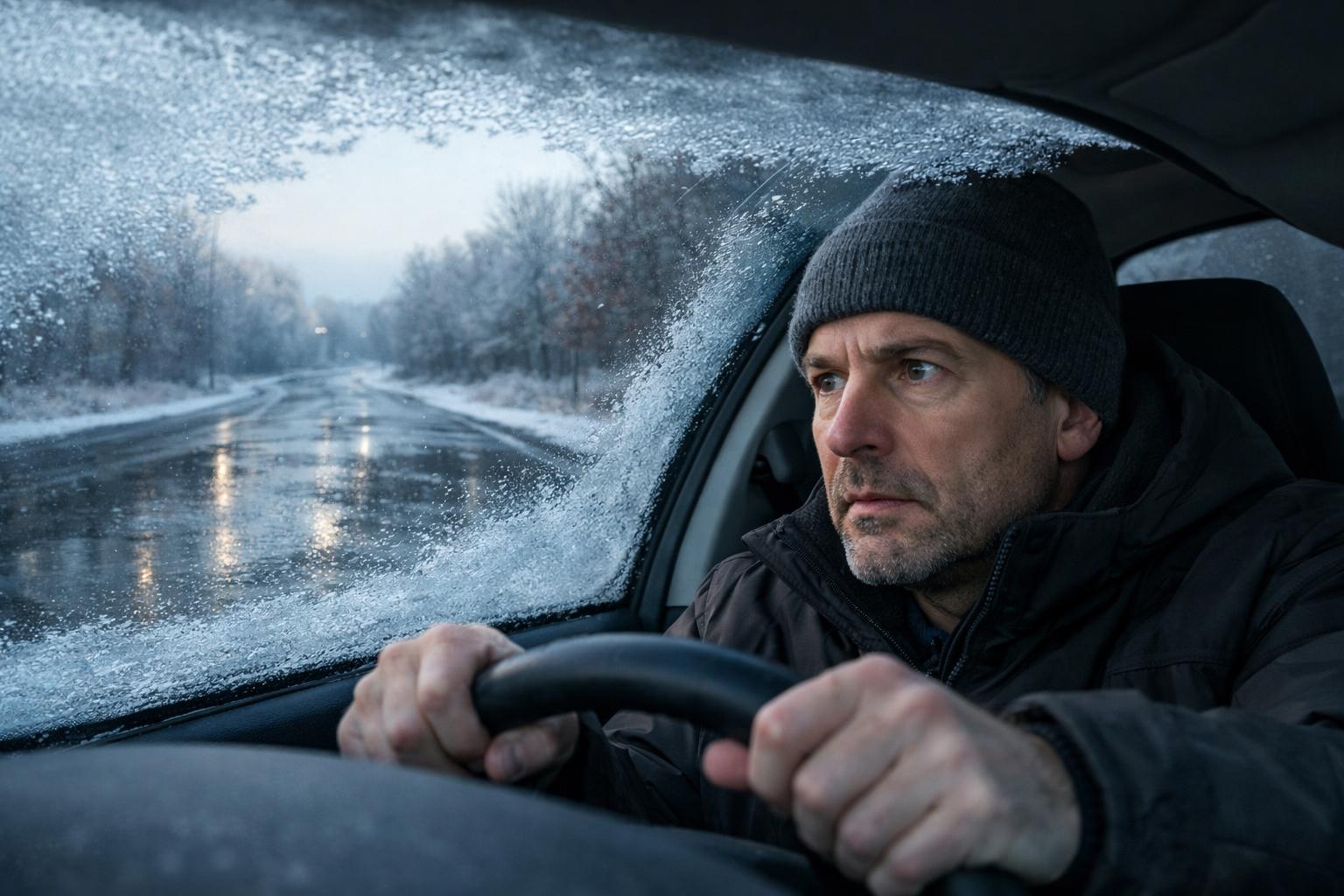
Black ice is a thin, nearly transparent layer of ice that forms on the road surface. Because it often looks like wet pavement instead of frozen water, drivers can mistake it for harmless moisture. Black ice typically forms when the road surface temperature is at or below 0°C (32°F) and there is moisture from dew, light rain, melting snow or fog that refreezes on the pavement.
Black ice is especially dangerous because drivers usually do not slow down in time. At normal speeds, tires can lose grip suddenly, causing skids, spin‑outs and collisions. Bridges, overpasses, shaded areas, ramps and lightly traveled roads are at particularly high risk because they cool faster and retain moisture longer than surrounding pavement.
Why First Frost Creates High‑Risk Driving Conditions
First frost often catches drivers by surprise. After a period of milder weather, the first night of near‑freezing temperatures can create icy patches on roads, parking lots and site access routes. Moisture on the surface from rain, sprinklers or overnight condensation can freeze into a smooth layer with very little visual warning.
Early mornings just before and after sunrise are especially hazardous. Road temperatures can remain below freezing even when the air temperature appears slightly above 0°C (32°F). Drivers may assume conditions are safe based on the temperature reading in the vehicle, while the actual road surface is still icy. This mismatch leads to overconfidence, higher speeds and increased crash risk.
How Black Ice Affects Stopping Distance and Defensive Driving
Icy and frosty roads dramatically increase stopping distance. Research has shown that on ice, stopping distance can be more than 10 times greater than on a dry road at the same speed. As a practical rule, drivers should allow at least three to four times more following distance in winter conditions compared with dry pavement, and significantly more if black ice is suspected.
Stopping distance is made up of reaction distance and braking distance. Cold‑weather hazards affect both:
- Reaction distance: Poor visibility from frost, fog or darkness slows hazard recognition, increasing the distance traveled before braking begins.
- Braking distance: Reduced traction on ice means the tires cannot grip the road effectively, so the vehicle keeps sliding even with the brakes applied.
Defensive drivers adjust early by reducing speed, increasing following distance and anticipating longer stopping distances any time first frost or black ice may be present.
Recognizing First Frost and Black Ice Hazards
Defensive driving in early winter starts with hazard recognition. Key warning signs include:
- Air temperature near or below freezing, especially after rain or heavy dew
- Damp or shiny patches on the road when surrounding surfaces appear dry
- Bridges and overpasses that appear darker or slightly glossy
- Shaded areas that stay wet or frozen while sunny sections are clear
- Vehicle traction control or anti‑lock brake systems activating more often
- Reports of slippery conditions from local road authorities or weather services
Drivers should treat any suspiciously dark, glossy or patchy surface as possible black ice, particularly in the early morning or late evening. If you cannot be sure, assume the surface is slippery and adjust your driving accordingly.
Defensive Driving Techniques for First Frost and Black Ice
When first frost or black ice is possible, defensive drivers change both their mindset and their technique. Critical practices include:
- Reduce speed before risk areas
Slow down well before bridges, overpasses, shaded corners, ramps and intersections. Sudden braking or steering on a hidden ice patch can cause a loss of control. Enter these areas gently, with smooth steering and light, steady throttle. - Increase following distance
Leave a much larger gap between your vehicle and the one in front. This extra space provides time to recognize hazards and respond gradually without sharp braking. In suspected black ice conditions, extend your following distance significantly beyond normal winter spacing. - Use smooth, controlled inputs
Abrupt steering, braking or acceleration can break the limited traction that exists on icy surfaces. Apply brakes gently, steer gradually and accelerate slowly. When stopping, begin braking earlier and use light, progressive pressure instead of hard pedal application. - Avoid cruise control on slippery roads
Cruise control can attempt to maintain speed when tire grip is reduced, potentially causing wheel spin or loss of control. Defensive drivers keep full manual control of speed and acceleration whenever frost or ice is possible. - Know how to respond if you skid
If the vehicle begins to skid on black ice, stay calm and focus on regaining control:- Ease off the accelerator and avoid slamming on the brakes
- Steer gently in the direction you want the front of the vehicle to go
- Keep your eyes focused on your intended path, not the hazard
- Allow the vehicle to slow naturally while maintaining steering control
- Modern vehicles with anti‑lock brakes allow firm, continuous pressure on the brake pedal while you steer. Do not pump ABS brakes; let the system do the work while you concentrate on steering.
Pre-Trip Checks to Support Defensive Driving on Black Ice
Defensive driving for first frost and black ice begins before leaving the yard or parking area. Essential checks include:
- Clear all windows, mirrors, lights and cameras of frost, ice and snow
- Confirm tires are suitable for conditions and properly inflated
- Ensure windshield washer fluid is rated for freezing temperatures
- Verify wipers, defrosters and lights are working correctly
- Allow extra travel time so you are not pressured to rush
Route planning also plays a role. Whenever possible, choose main roads that are more likely to be treated and monitored. Avoid steep grades, narrow rural routes and poorly maintained shortcuts in icy conditions.
Site‑Specific Considerations for First Frost
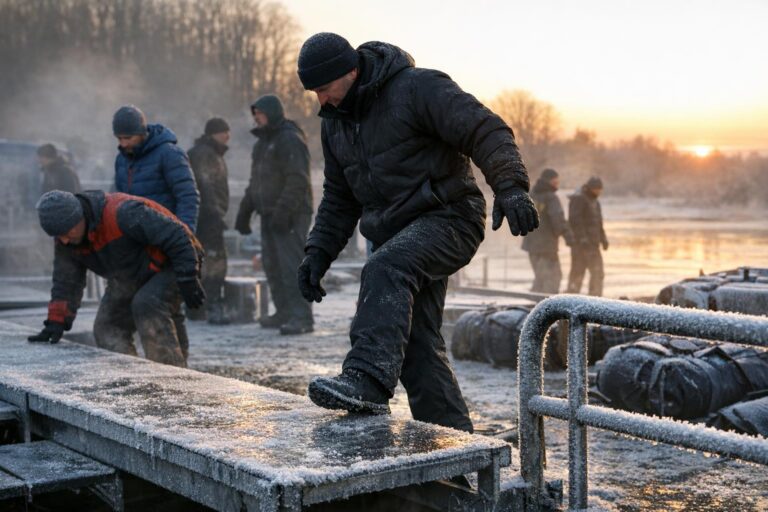
Worksites, yards and customer facilities can present additional hazards when first frost appears. Parking lots, loading docks, ramps and pedestrian walkways may freeze before main roads. Drivers should:
- Approach site entrances and internal roads at reduced speed
- Watch for icy patches near gates, drainage areas and shaded corners
- Use designated routes and avoid unmaintained shortcuts across yards or fields
- Communicate observed hazards to supervisors or site contacts
Pedestrian safety is also critical. Drivers must be aware that co‑workers and site staff may be walking on the same icy surfaces near vehicles, particularly around loading and delivery points.
Safety Culture and Defensive Driving Expectations
Defensive driving in first frost and black ice conditions is a shared responsibility. Organizations should set clear expectations that trips may be delayed, rescheduled or canceled when conditions are unsafe. No delivery, appointment or deadline justifies taking unnecessary risks on icy roads.
Supervisors and drivers can support a strong safety culture by:
- Monitoring weather forecasts and official road condition reports
- Encouraging early reporting of slippery roads, near misses and hazards
- Reinforcing that reducing speed is a sign of professionalism, not weakness
- Including seasonal defensive driving topics in regular toolbox talks
When everyone understands the risks of first frost and black ice, and consistently applies defensive driving techniques, the likelihood of winter‑related incidents can be significantly reduced.
Keep your drivers prepared all season with our top winter driving safety tips for employees, a look at wind chill, black ice and hypothermia risk factors, and a checklist for building a winter emergency kit for every vehicle.