Hand tools are often seen as low‑risk compared to power tools or heavy machinery, but they are a major source of workplace injuries. Cuts, punctures, eye injuries and repetitive strain can all result from using damaged or poorly maintained tools. Seasonal inspections are one of the most effective ways to identify issues early and keep your team working safely and productively.
Why hand tool safety matters
Hand tools are used in almost every industry: construction, maintenance, manufacturing, warehousing, utilities and more. Because they are simple and familiar, workers can underestimate the risks and skip basic safety checks. This complacency can lead to serious injuries that are entirely preventable.
According to the U.S. Bureau of Labor Statistics, hand tools are involved in tens of thousands of nonfatal injuries each year across construction and manufacturing alone, often leading to days away from work. These injuries frequently involve cuts, lacerations and struck‑by incidents that could be reduced through better tool condition and safer handling practices.
Common hazards from damaged or worn hand tools
Recognizing hazards is the first step in any effective toolbox talk. Typical issues that increase the risk of injury include:
- Cracked or splintered wooden handles on hammers, axes or shovels
- Mushroomed heads on chisels, punches and wedges
- Loose or missing tool parts, such as hammer heads, screwdriver blades or plier jaws
- Worn or rounded wrench jaws leading to slippage
- Defective or missing insulation on tools used near electrical sources
- Bent or misaligned cutting tools, such as snips or bolt cutters
- Contaminated grips coated with oil, grease or chemicals, compromising control
Each of these defects increases the likelihood of tool failure. A hammer head that flies off, a wrench that slips off a nut or a chisel that chips can all turn a routine task into an emergency.
Core principles of hand tool safety
Before focusing on seasonal inspections, it is important to reinforce everyday hand tool safety basics:
- Use the right tool for the job. Never improvise with a tool that is not designed for the task. For example, do not use pliers as a wrench or a screwdriver as a pry bar.
- Inspect before each use. A quick visual and tactile check should be part of every job. Look for cracks, chips, loose components, corrosion and contamination.
- Maintain a secure grip. Keep handles clean and dry. Replace grips that are worn, smooth or slippery.
- Direct force safely. Always position your body so that if a tool slips, it will not strike any part of you or another worker.
- Store tools properly. Use racks, shadow boards, toolboxes and sheaths so that sharp edges are protected and tools are easy to find and return.
- Keep cutting tools sharp. Dull blades require more force, increasing the chance of slips and loss of control.
Why seasonal inspections are critical
While pre‑use checks are essential, they are not enough by themselves. Seasonal inspections are structured, documented reviews carried out at scheduled times during the year. They provide an opportunity to:
- Perform deeper inspections than a quick daily check
- Remove and tag out defective tools that workers might overlook
- Standardize conditions across teams, sites and shifts
- Align tool condition with seasonal changes in temperature, humidity and working conditions
Seasonal changes that affect hand tools
Different seasons introduce different stresses on tools and workers:
- Winter: Cold temperatures can make some materials more brittle. Workers may wear gloves that reduce dexterity, increasing the risk of dropping tools. Moisture from snow and ice can accelerate corrosion and make handles slippery.
- Spring: Thawing conditions and increased moisture promote rust on metal tools and swelling or warping of wooden handles. Outdoor work ramps up, increasing tool use.
- Summer: Heat can soften some plastics and adhesives, causing grips to loosen. Sweaty hands and high humidity affect grip and corrosion rates.
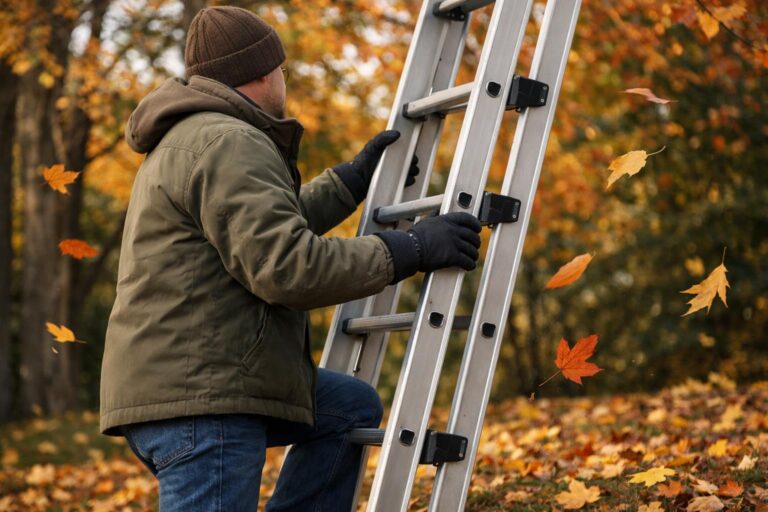
- Autumn: Leaf debris, rain and early darkness can reduce traction and visibility, increasing the chance of slips and mishandling tools.
A structured seasonal inspection program responds to these changing conditions and ensures that tools remain safe year‑round.
How to run seasonal hand tool inspections
To make seasonal inspections effective, treat them as a formal process rather than an informal walk‑through. A simple framework includes:
- Plan the inspection schedule
Choose inspection windows that align with your operational cycles, such as early spring, mid‑summer, early autumn and the start of winter. Communicate the dates in advance so supervisors and workers can prepare tool inventories.
- Assign responsibility
Designate a competent person, such as a supervisor or safety representative, to lead the inspections. Make sure they understand tool standards and know the criteria for removing a tool from service.
- Use a standardized checklist
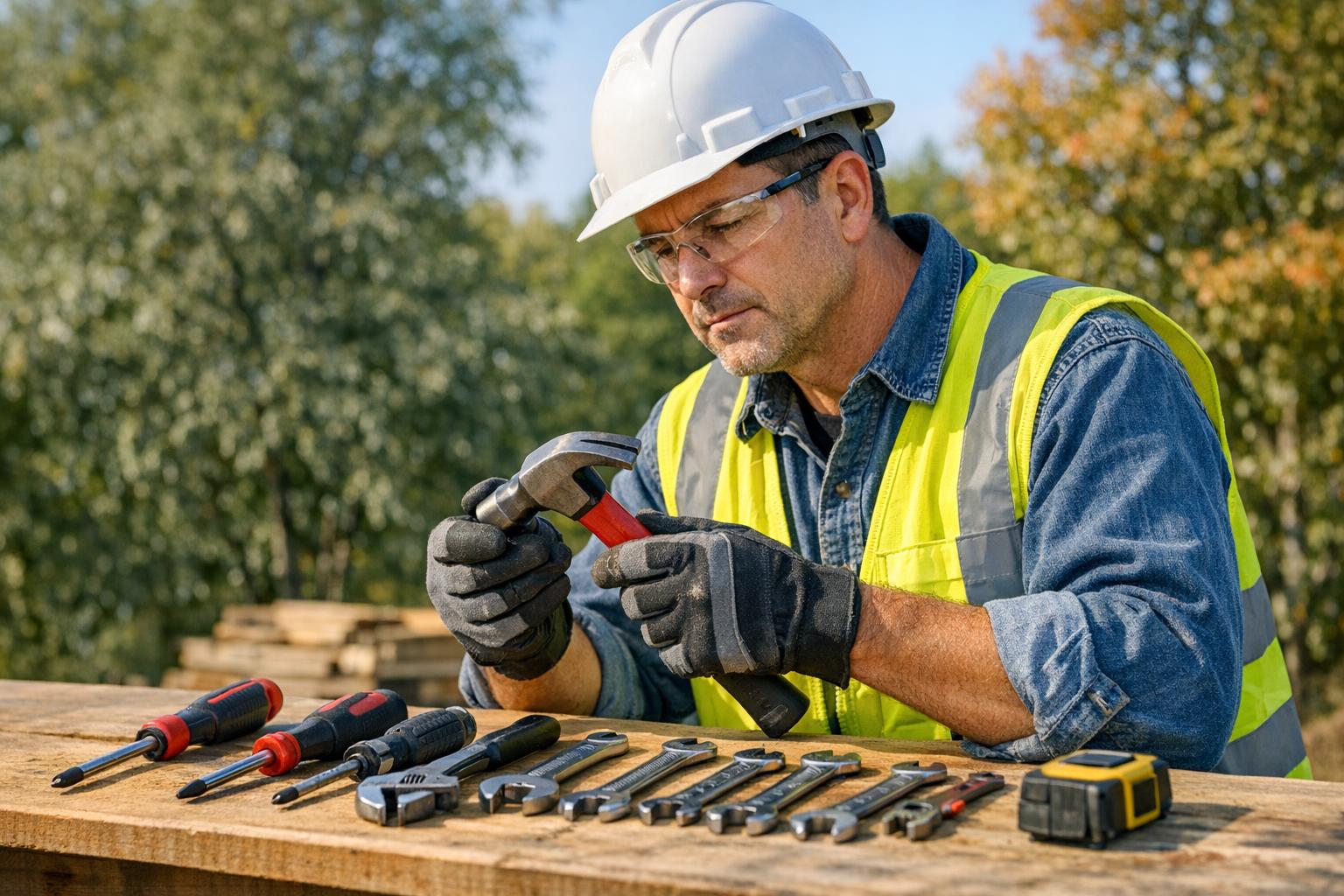
Create a checklist that covers the major tool categories used in your operation, such as hammers, wrenches, screwdrivers, cutting tools, insulated tools and specialty items. For each tool, include checks for:- Cracks, chips, burrs or mushrooming
- Loose or missing fasteners, heads or blades
- Corrosion, pitting or rust, especially at joints and moving parts
- Condition of grips, insulation and handles
- Sharpness of cutting edges
- Cleanliness and contamination
- Tag and remove defective tools
When a tool fails inspection, remove it from service immediately. Use a clear tagging system such as “Do Not Use” tags and a separate bin or area for defective tools awaiting repair or disposal. Do not allow “temporary” use of unsafe tools.
- Repair or replace as needed
Some tools can be safely repaired, for example by replacing a handle or grip following the manufacturer’s instructions. Other tools should be discarded when they show significant damage or wear, especially if they are used for impact or electrical work.
- Document and track
Maintain simple records of each inspection, noting date, location, inspector, tools checked and actions taken. Over time, this data can identify recurrent issues, such as particular tools that fail frequently or areas where storage is inadequate.
Worker involvement and training
Seasonal inspections are most effective when workers are involved rather than simply being told what has been found. Use toolbox talks to:
- Review recent inspection findings and common defects
- Demonstrate what “good” and “bad” tools look like
- Reinforce the process for reporting damaged tools during the season
- Clarify who is authorized to repair or modify tools
Encouraging workers to report issues without fear of blame is essential. A culture where people hide or “make do” with poor tools will inevitably lead to preventable injuries.
Integrating hand tool inspections into your safety system
Hand tool safety and seasonal inspections should not exist in isolation. They connect directly to your broader safety management system through:
- Hazard identification and risk assessment
- Preventive maintenance programs
- Procurement standards for new tools
- Training, onboarding and refresher sessions
- Incident investigations that consider tool condition as a factor
By treating hand tool inspections as part of your core safety processes, you reduce injuries, improve productivity and extend the life of your equipment.