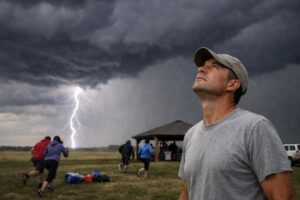
Lightning is a powerful electrical discharge created during thunderstorms. When positive and negative charges build up between clouds and the ground, the difference in electrical potential is released as a lightning strike. The air around a lightning bolt can heat to around 30,000°C, hotter than the surface of the sun, and the electrical current can be strong enough to stop a heart or cause severe burns.
According to the U.S. National Weather Service, lightning causes an average of 20–30 deaths and hundreds of injuries in the United States each year. Global estimates suggest many more cases go unreported in rural areas and developing countries. The National Weather Service also notes that about two thirds of lightning deaths occur during outdoor leisure or work activities, especially when people delay seeking shelter. Workers who understand the 30-30 Rule and follow clear safety procedures are far less likely to be injured.
National Weather Service – Lightning Odds
Who Is Most at Risk?
Lightning risk is highest in open outdoor environments. Construction workers on scaffolds, roofs, cranes, or steel structures are especially exposed. Utility and telecommunications workers on poles or towers, grounds crews maintaining sports fields and golf courses, farm workers in open fields, and road crews on exposed highways all face elevated risk. Any worker who is the tallest object in the area, or who is in contact with tall equipment, is a potential lightning target.
Thunderstorms can move quickly, and lightning can strike many kilometres away from the center of a storm. Lightning has been documented striking more than 15 km from the area of rainfall. This means that blue sky overhead does not guarantee safety. If you can hear thunder, you are close enough to be hit by lightning. Relying on visual cues alone is not sufficient; workers must follow a consistent rule that translates thunder and flash observations into clear actions.
Understanding the 30-30 Rule
The 30-30 Rule is a simple way to decide when to seek shelter and when it is safe to resume work. It has two parts:
- If the time between seeing a lightning flash and hearing the thunder is 30 seconds or less, lightning is close enough to be a serious danger. You must stop work and move to a safe shelter immediately.
- You should not resume outdoor activities until at least 30 minutes have passed since the last observed lightning flash or last sound of thunder. This waiting period allows the storm to move far enough away to significantly reduce the risk of a strike near your worksite.
Applying the 30-30 Rule on the Jobsite
Applying the first “30” is straightforward. When you see a flash of lightning, start counting seconds until you hear thunder. If you reach 30 or less before hearing thunder, lightning is within approximately 10 km of your location. At that distance, cloud-to-ground strikes can hit without warning. Supervisors should make the call early, not late. As soon as the 30-30 Rule is triggered, outdoor work stops and the crew moves to designated safe shelter locations identified in the site safety plan.
The second “30” requires patience and discipline. Many lightning injuries happen when people go back outside too soon, thinking the danger has passed. The storm may appear to be clearing, but lightning can still strike at a distance from the main rain core. Maintain a minimum 30-minute “all clear” timer after the last thunder or lightning. If another flash or thunder occurs, reset the 30-minute clock. This delay can feel inconvenient, but it is a critical part of a robust lightning safety program.
What Counts as Safe Shelter?
A safe shelter from lightning is a fully enclosed substantial building with wiring and plumbing, such as an office, warehouse, or permanent facility. Once inside, stay away from corded phones, electrical equipment, and plumbing fixtures during intense storms, because lightning currents can travel through wiring and pipes. If a building is not available, a fully enclosed metal-topped vehicle with the doors and windows closed offers good protection. The metal body of the vehicle directs lightning around you to the ground, a principle known as the Faraday cage effect.
Unsafe Locations During Lightning Storms
Some locations and structures are not safe in a lightning storm. Open shelters, picnic pavilions, bus stops, sheds without wiring and plumbing, tents, lean-tos, and shipping containers that are not part of a properly grounded structure do not provide reliable protection. Standing under trees, especially isolated tall trees, significantly increases the risk of a side flash or ground current injury. Workers must be trained to recognise the difference between genuinely safe shelter and structures that only provide protection from rain.
If You Are Caught Outside
- Avoid the tallest objects and elevated points.
- Move away from open fields, hilltops, ridgelines, cranes, towers, and metal fences.
- Stay clear of bodies of water, including ponds, lakes, reservoirs, and flooded areas.
- Spread out from other co-workers to reduce the risk of multiple injuries from a single strike.
- Avoid lying flat on the ground; minimise your contact with the earth while moving to the nearest safer location.
Employer and Supervisor Responsibilities
Employers and supervisors have legal and moral responsibilities to manage lightning risk as part of their overall safety program. This includes assessing lightning exposure in job hazard analyses, writing site-specific emergency action plans, and integrating lightning procedures into toolbox talks and daily briefings. Supervisors should monitor weather forecasts before shifts start and track radar or reliable lightning detection apps where possible. Pre-planned shelter locations and evacuation routes must be communicated clearly to all workers, including subcontractors and temporary staff.
Training and Communication
Training should stress that no job task or schedule deadline is more important than life safety. Workers must be empowered to call a lightning timeout based on the 30-30 Rule without fear of discipline or lost pay. Clear communication protocols, such as air horns, radios, or text alerts, ensure that everyone receives the instruction to stop work and seek shelter at the same time. Periodic drills can help reinforce the correct response so that crews react quickly when a real storm approaches.
Personal Protective Equipment and Lightning
Personal protective equipment like hard hats, rubber boots, or gloves does not protect against direct lightning strikes. Relying on PPE alone is a dangerous misconception. The most effective protection comes from time, distance, and shielding: recognising lightning risk in time, moving away from exposed locations, and getting inside substantial shelter. The 30-30 Rule provides a practical decision-making tool that any worker can apply on any outdoor site.
Building a Culture of Lightning Safety
Building a culture of lightning safety requires consistency. Every storm should trigger the same sequence of actions: observe lightning and thunder, apply the 30-30 Rule, stop work, seek shelter, communicate status, and wait for the full 30-minute all clear. Over time, this consistent response becomes routine, reducing the chance that workers will take shortcuts or “ride out” the storm in unsafe locations. The result is fewer close calls, fewer injuries, and a safer workplace for everyone who earns a living under open skies.