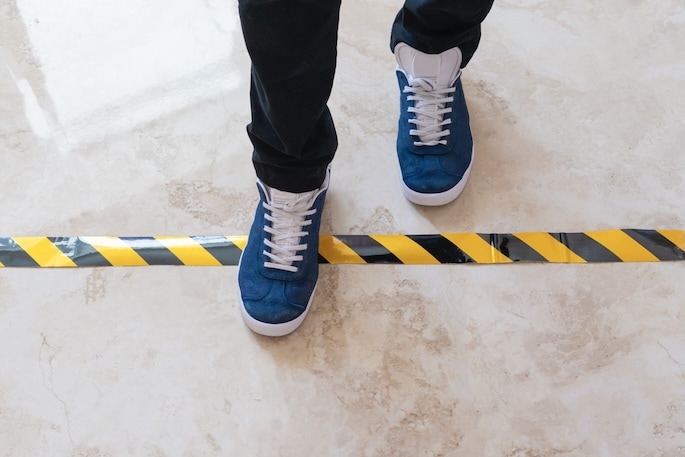
Slips, trips, and falls are among the most common workplace accidents, leading to significant injuries and financial losses. Implementing effective floor marking strategies can play a crucial role in mitigating these risks. This article explores how visual cues like hazard tape, anti-slip coatings, and signage enhance navigation and reduce hazards in various work environments.
The Role of Floor Markings in Workplace Safety
Floor markings serve as visual communication tools that guide employees and visitors through a facility safely. They delineate walkways, highlight hazardous areas, and indicate safe zones, thereby reducing confusion and preventing accidents. By clearly defining spaces, floor markings help maintain an organized and hazard-free environment.
Benefits of Effective Floor Markings
- Enhanced Visibility: Brightly colored tapes and signs catch attention, alerting individuals to potential hazards.
- Improved Navigation: Clearly marked pathways facilitate efficient movement, reducing the likelihood of collisions or missteps.
- Hazard Identification: Markings can indicate areas prone to spills, uneven surfaces, or other dangers, prompting caution.
- Regulatory Compliance: Proper floor markings help meet Occupational Safety and Health Administration (OSHA) standards, avoiding potential fines.
Implementing Floor Marking Best Practices
- Assess the Workplace: Conduct a thorough evaluation to identify areas where slips and trips are most likely to occur.
- Choose Appropriate Materials: Select durable, anti-slip tapes and coatings suitable for the specific environment, considering factors like foot traffic and exposure to moisture.
- Standardize Colors and Symbols: Use consistent color codes and symbols to convey specific messages, ensuring universal understanding among employees.
- Regular Maintenance: Inspect and replace worn or damaged markings promptly to maintain their effectiveness.
- Employee Training: Educate staff on the meaning of various markings and the importance of adhering to designated pathways and warnings.
Complementary Safety Measures
While floor markings are vital, they should be part of a comprehensive safety strategy that includes:
- Adequate Lighting: Ensure all areas are well-lit to enhance the visibility of markings and potential hazards.
- Proper Signage: Use signs to indicate wet floors, uneven surfaces, or other temporary hazards.
- Housekeeping Practices: Maintain clean and clutter-free walkways to prevent tripping over objects or slipping on spills.
- Appropriate Footwear: Encourage the use of slip-resistant shoes, especially in areas prone to moisture or spills.
Conclusion
Integrating effective floor marking systems into workplace safety protocols significantly reduces the risk of slips, trips, and falls. By providing clear visual cues, these markings guide safe navigation, highlight hazards, and promote a culture of safety. Regular assessment, maintenance, and employee training are essential to maximize their benefits and ensure a safer working environment.