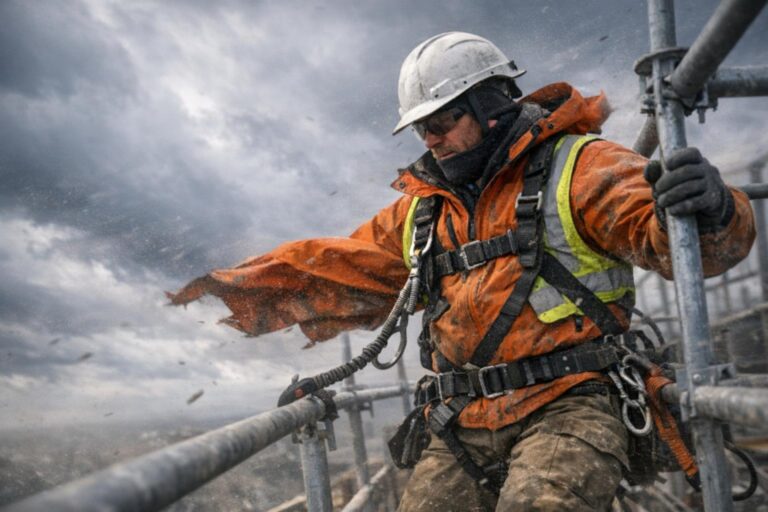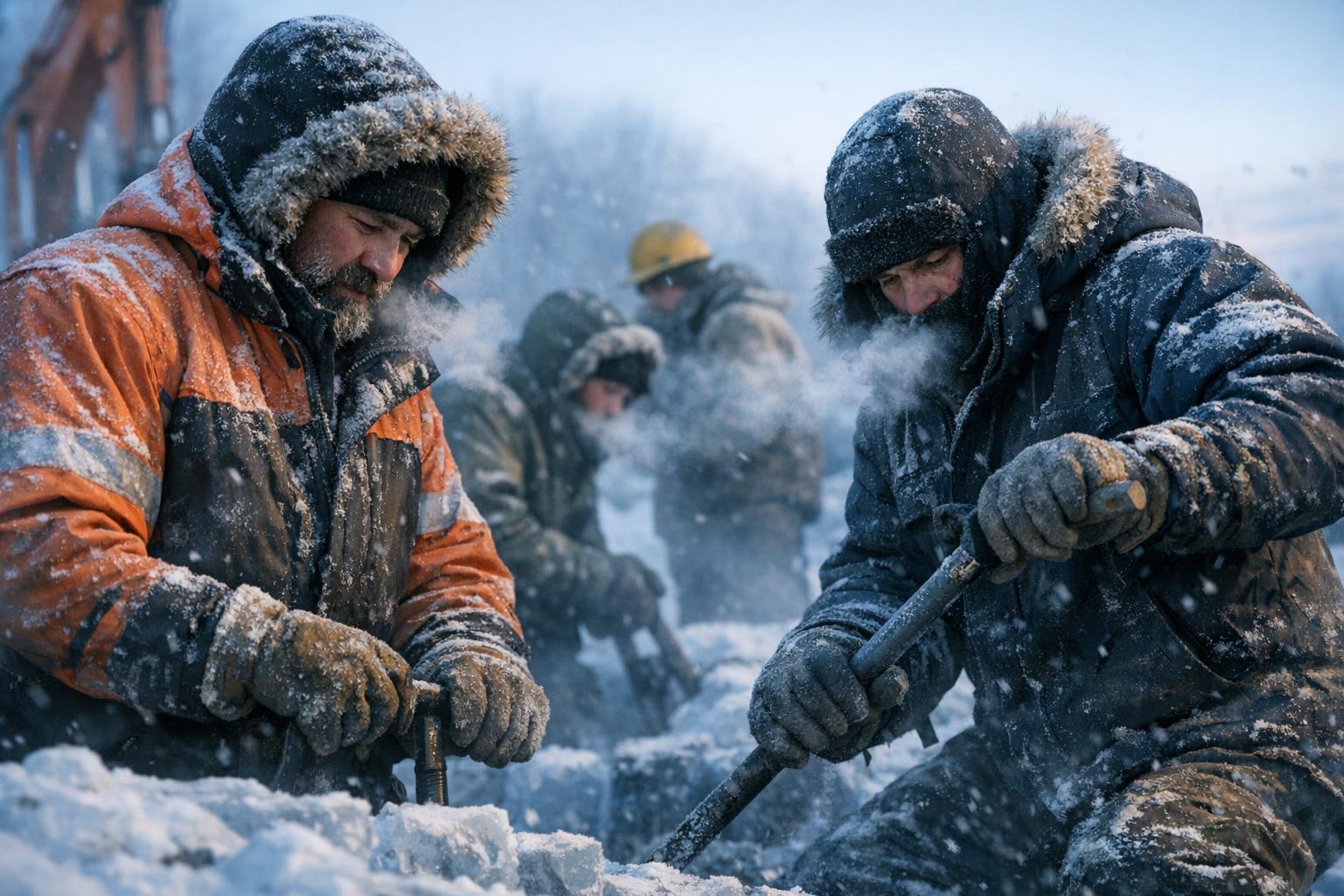
Working in cold conditions is a serious safety challenge on many worksites, from construction and utilities to logistics, oil and gas, and agriculture. Low temperatures, wind, moisture, and contact with cold surfaces can quickly turn a normal shift into a medical emergency if cold exposure is not managed correctly. Employers and workers both share responsibility for planning, training, and using the right controls to prevent cold-related injuries and illnesses. This toolbox talk covers the controls, PPE and warning signs every crew should know before working in cold conditions.
What Is Cold Stress?
Cold stress happens when the body can no longer maintain its normal temperature. As the body loses heat, the heart, brain, and other vital organs begin to function less effectively. If this continues, workers can develop hypothermia, frostbite, trench foot, and reduced mental and physical performance. The U.S. Occupational Safety and Health Administration (OSHA) notes that cold-related illnesses can occur not only in extreme cold, but also at near‑freezing temperatures when combined with wind and moisture. Even indoor workplaces like refrigerated warehouses can present cold stress risks.
Types of Cold Stress
Understanding cold stress is the first step to controlling it.
- Hypothermia occurs when the body’s core temperature drops below 35°C (95°F). Early signs include shivering, fatigue, loss of coordination, and confusion. As hypothermia worsens, shivering may actually stop, and the worker may seem drowsy or unable to speak clearly.
- Frostbite happens when skin and underlying tissues freeze, most often affecting fingers, toes, ears, and the nose. Warning signs include numbness, tingling, or a hard, pale, or waxy appearance of the skin.
- Trench foot (or immersion foot) develops from prolonged exposure to cold and wet conditions, even above freezing temperatures, and can cause swelling, numbness, and skin damage.
Risk Factors When Working in Cold Conditions
Risk factors for working in cold conditions include:
- Low air temperature
- Wind speed
- Humidity
- Contact with cold surfaces or liquids
- Level of physical exertion
Wind chill is especially important: moving air strips heat from the body much faster than still air. The U.S. National Weather Service provides a wind chill chart to help estimate how quickly frostbite can occur at different combinations of temperature and wind speed. For example, exposed skin at −15°C (5°F) with a wind speed of 32 km/h (20 mph) can be at frostbite risk in as little as 30 minutes.
Workplace and personal factors also affect risk. New workers, those not used to the cold, people with certain medical conditions (such as cardiovascular disease, diabetes, or thyroid problems), and workers taking specific medications may be more vulnerable. Fatigue, poor nutrition, dehydration, and inadequate clothing increase the chance of cold stress. Alcohol and some drugs further impair the body’s ability to regulate temperature and should never be used to “warm up.”
Controls for Working in Cold Conditions
Employers must manage cold exposure through a combination of engineering controls, administrative controls, and personal protective equipment (PPE).
Engineering Controls
- Provide heated break areas
- Use radiant heaters in fixed workstations
- Install windbreaks or temporary shelters
- Shield metal handles or control surfaces with insulating materials
- Move tasks indoors or reschedule to warmer parts of the day where possible
- Use insulated flooring or mats for work around cold liquids or in refrigerated environments
Administrative Controls
- Conduct a cold‑weather risk assessment considering temperature, wind, work duration, workload, and access to shelter
- Adjust schedules so the heaviest tasks occur during the warmest times
- Rotate workers to limit their time in the cold
- Schedule regular warm‑up breaks in a heated area (the colder and windier it is, the more frequent these breaks should be)
- Train workers to use a buddy system, watching each other for signs of cold stress and speaking up immediately if they notice a problem
PPE and Clothing for Working in Cold Conditions
Clothing and PPE are the final layer of protection when working in cold conditions. Dressing in layers allows workers to adjust insulation as conditions and exertion levels change.
A typical cold‑weather clothing system includes:
- A moisture‑wicking base layer to keep sweat away from the skin
- An insulating middle layer such as fleece or wool
- A windproof and waterproof outer shell
Cotton is not recommended in cold, wet environments because it holds moisture and increases heat loss. Head and neck protection is essential, as a significant amount of heat can be lost if these areas are uncovered. A hat, balaclava, or hood combined with a neck gaiter can help maintain warmth.
Hands and feet require particular attention:
- Insulated, waterproof gloves or mittens should match the task: heavy thermal gloves for low‑dexterity jobs and appropriate insulated gloves for more precise work. If gloves get wet, they should be changed promptly.
- Thermal socks made of wool or synthetic blends, combined with insulated, waterproof boots, help prevent frostbite and trench foot. Boots should be roomy enough to allow proper circulation; overly tight footwear can increase cold injury risk.
- Where surfaces are icy, anti‑slip traction devices can reduce fall hazards.
Hydration and Nutrition
Hydration and nutrition play a significant role in how the body responds to the cold. Workers often underestimate fluid loss in cold environments, but breathing in cold, dry air and sweating under layers of clothing both contribute to dehydration. Warm, non‑caffeinated drinks and regular water intake help maintain performance. Frequent small meals or snacks rich in complex carbohydrates and healthy fats provide fuel for the body to generate heat. Caffeine and nicotine can impair circulation, increasing the risk of cold‑related injuries, so their use should be limited before and during cold work.
Recognizing and Responding to Cold Stress
Supervisors and workers need to recognize the early signs of cold stress and know what to do.
If a worker shows signs of hypothermia, such as intense shivering, confusion, or loss of coordination:
- Move them to a warm area immediately
- Replace wet clothing with dry items
- Wrap the worker in blankets
- Offer warm, sweet drinks if the person is conscious and able to swallow
- For suspected moderate or severe hypothermia, contact emergency medical services without delay. Rewarming must be gradual, following medical guidance.
For frostbite:
- Protect affected areas from further cold exposure and handle gently
- Do not rub or massage frozen tissue
- If rapid medical care is available, rewarm in warm (not hot) water under professional supervision
For trench foot:
- Get the feet dry, clean, and warm as soon as possible
- Remove wet socks and boots
- Seek medical evaluation if symptoms persist
Building a Strong Cold Weather Safety Culture
A strong safety culture around working in cold conditions depends on clear procedures, consistent training, and open communication. Safety toolbox talks should be used to review the daily forecast, highlight specific cold hazards on the site, confirm appropriate PPE, and reinforce the importance of early reporting of symptoms. Management must support workers who speak up and ensure that productivity pressures never override safe work practices in cold weather. With proper planning, controls, and awareness, teams can maintain productivity while protecting health and safety in cold environments.
Safety Tips for Working in Cold Conditions
- Your employer should ensure that you know the symptoms of cold stress.
- Monitor your physical condition and that of your coworkers.
- Take regular breaks to warm up when needed.
- Dress properly for the cold.
- Stay dry in the cold because moisture or dampness, e.g. from sweating, can increase the rate of heat loss from the body.
- Keep extra clothing (including underwear) handy in case you get wet and need to change.
- Drink warm sweetened fluids (no alcohol).
- Avoid touching cold metal or wet surfaces with bare skin.
- Use proper engineering controls, safe work practices, and personal protective equipment (PPE) provided by your employer.
Build on this toolbox talk with our guides to OSHA’s key recommendations for preventing cold stress, combating cold stress in the workplace, and our cold-season safety checklist.