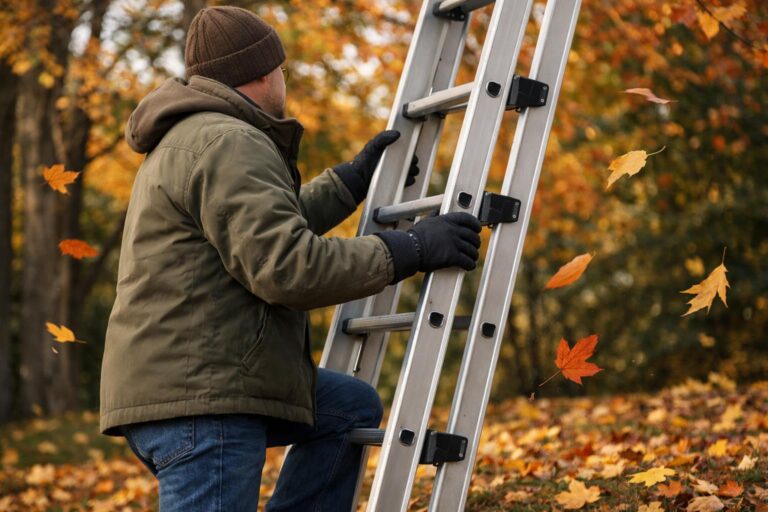
A Job Safety Analysis (JSA) breaks a task into steps, identifies hazards at each step, and documents controls. When those task steps or controls no longer match reality, workers either ignore the JSA or improvise around it.
Research from OSHA shows that effective safety and health programs can reduce injuries and illnesses and improve productivity, morale, and costs, while poor programs fail to manage changing conditions and hazards. When JSAs are allowed to go stale, they fall into that “poor program” category, undermining the value of your safety system.https://www.osha.gov/safety-management
The goal is to create a practical review and update cycle that keeps JSAs living documents without overwhelming your team.
Step 1: Prioritize Which JSAs to Review First
You do not need to review every JSA at once. Start where the risk and change are highest. Prioritize JSAs using four factors:
- Incident and near-miss history
- Review recent incidents and near misses. If a task with a JSA has experienced an event, flag that JSA immediately.
- High-risk tasks
- Focus on tasks involving working at height, confined spaces, energy isolation, mobile equipment, hot work, and manual handling.
- New equipment or process changes
- Any time a process, material, or piece of equipment changes, the related JSA should go into the review queue.
- Regulatory or standards updates
- When standards or internal procedures change, identify JSAs that reference those requirements and add them to the list.
Build a simple, ranked list of JSAs and work through the highest risk and most changed jobs first. This targeted approach keeps the workload manageable while addressing the most critical exposures.
Step 2: Use a Structured “Field Validation” Process
To update a JSA without starting over, validate what is already written against what actually happens in the field.
- Pre-review at your desk
- Read the existing JSA.
- Highlight any vague steps such as “perform task” or “finish job” that do not describe observable actions.
- Note any outdated references to equipment, PPE, or procedures.
- Observe the job being done
- Watch a competent worker perform the task from start to finish.
- Compare the real steps to the written JSA steps.
- Capture any “hidden” steps, such as setup, travel, or cleanup that are not documented.
- Ask targeted questions
- “What is the hardest or riskiest part of this job?”
- “Where do people usually take shortcuts?”
- “What has gone wrong before, even if it did not cause an injury?”
- “What do you wish this JSA said that it does not say?”
- Document gaps
- Steps missing from the JSA.
- Hazards that are not mentioned.
- Controls that are no longer used or never used in practice.
- New controls workers have created informally.
This field validation process allows you to edit and refine the existing JSA instead of discarding it. You preserve what still works and correct what does not.
Step 3: Focus Updates on Clarity, Controls, and Usability
When you edit a JSA, aim to make it more accurate and easier to use, not longer. Three focus areas help:
- Clear, observable steps
- Break complex jobs into logical, sequential actions.
- Use plain, specific language: “Position ladder at 75-degree angle and secure at top” instead of “Set up ladder safely.”
- Hazard and control alignment
- For each step, list the specific hazards: caught-between, struck-by, fall from height, exposure to chemicals, electrical contact, etc.
- Then list concrete controls: guarding, lockout/tagout, spotters, barriers, ventilation, verified PPE, and safe work methods.
- Ensure controls reflect current best practice and regulatory requirements, not legacy habits.https://www.osha.gov/laws-regs
- Usability at the point of work
- Format JSAs so they can be read and used in the field: simple tables, bullet points, and clear fonts.
- Highlight critical steps or “hold points” where work must pause for verification, permits, or isolation.
- Avoid technical jargon that front-line workers will not use.
Usable JSAs are more likely to be referenced during pre-job briefings and toolbox talks, turning them from paperwork into a real control.
Step 4: Embed Worker Participation in Every Review
Workers doing the job see changes first. They also know where workarounds and shortcuts are happening. Bringing them into the JSA review process improves both accuracy and buy-in.
Practical ways to involve workers:
- Run a short toolbox talk at the job site where you walk through the existing JSA and ask for feedback.
- Invite a small group of experienced workers to review a JSA draft and mark it up.
- Incorporate near-miss learning directly into the JSA; when a near miss occurs, review that step with the crew and adjust the document accordingly.
OSHA highlights management leadership and worker participation as core elements of effective safety and health programs. When JSAs are updated with worker input, they are more realistic and more likely to be followed, which is essential for controlling job-specific hazards.https://www.osha.gov/safety-management
Step 5: Establish a Simple Review Schedule and Ownership
JSAs should not be reviewed only after an incident. Adding structure prevents them from becoming stale.
- Risk-based review frequency
- High-risk tasks: review annually or after any significant change or incident.
- Medium-risk tasks: review every two to three years.
- Low-risk tasks: review on a set cycle (for example, every three years) or when there is a process or regulatory change.
- Assign clear owners
- Each JSA should have a named owner, often the supervisor or manager responsible for that work group.
- The owner ensures reviews happen, involves workers, and coordinates approvals.
- Document version control
- Use version numbers and review dates.
- Archive prior versions so you can demonstrate continuous improvement and trace changes if needed for incident investigations or audits.
- Link reviews to management of change (MOC)
- Any formal change to process, equipment, materials, or staffing should trigger a JSA impact check.
- If the change affects how the job is done or what hazards are present, schedule a focused JSA review.
Step 6: Integrate Updated JSAs into Daily Work
An updated JSA only improves safety if it is actively used. Integration strategies:
- Use JSAs in pre-job briefings and toolbox talks
- Make the JSA the basis for daily or task-specific safety discussions.
- Have workers identify which steps are highest risk and review associated controls together.
- Train on major revisions
- When significant changes are made to a JSA, provide brief, targeted training to affected workers and supervisors.
- Ensure everyone understands new steps, new hazards, and new controls.
- Align permits, procedures, and JSAs
- Where you use permits (hot work, confined space, line breaking), check that the JSA reflects and supports the permit conditions.
- Ensure procedures, SOPs, and JSAs do not contradict each other.
By treating JSAs as living tools, reviewed systematically and updated with direct worker input, you maintain alignment between documented controls and real work. That alignment is where risk is best managed and where your investment in JSAs delivers the most value.