A walk throughout other areas of the worksite is a common occurrence, but it can also be dangerous if you don’t stay alert. This is particularly true for employees leaving their old, familiar job and moving into new roles in other work environments. New employees receive instructions regarding training and safety precautions. However, when transitioning roles to another area, it can operate very differently; procedures and equipment may be different and safety precautions may vary as well. This guidance outlines safety tips for working in a new area.
Safety in New Surroundings
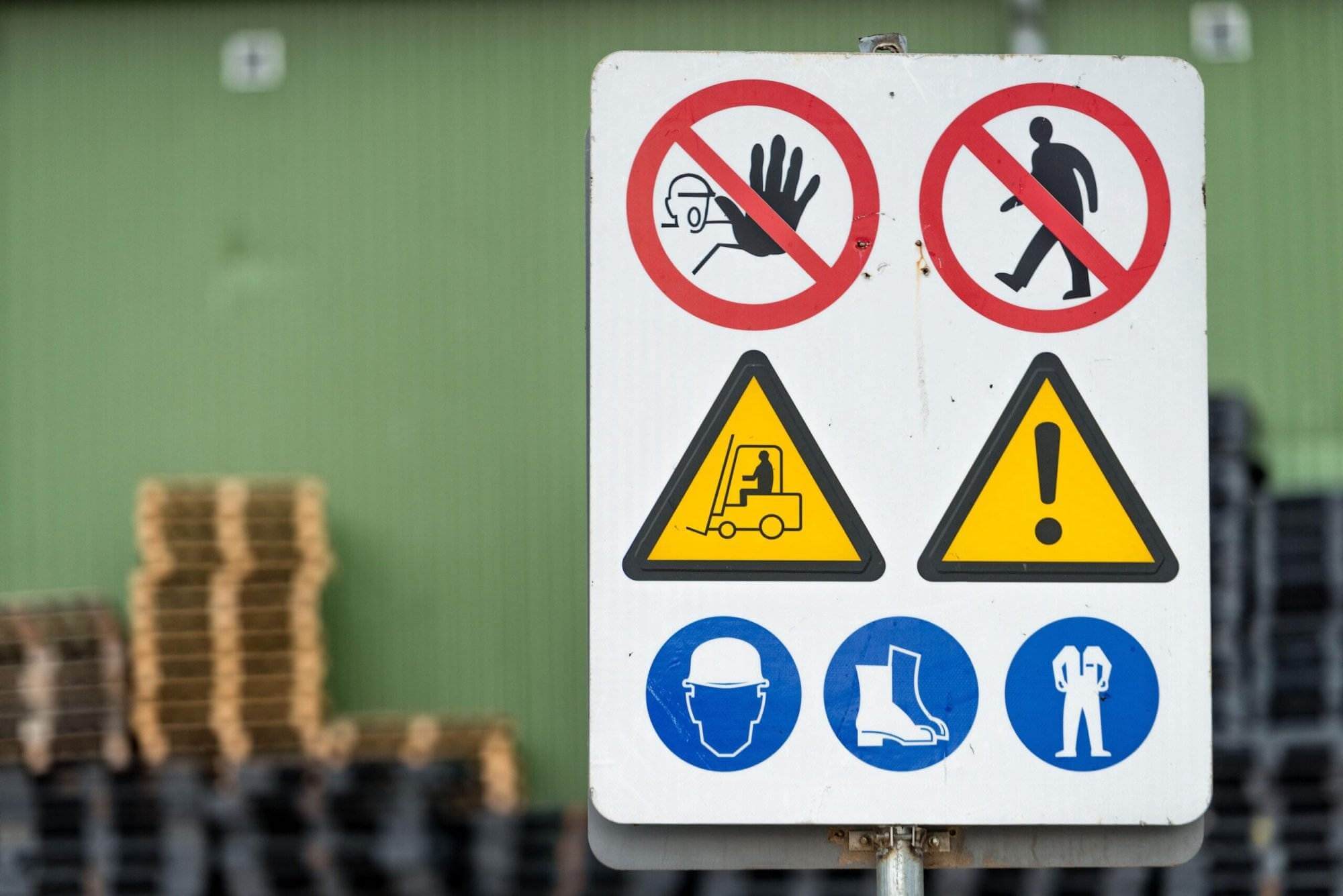
- Before entering another area of the worksite, familiarize yourself with any special rules or procedures necessary for your safety. This might mean wearing special personal protective equipment or meeting certain regulations concerning employee actions.
- During the transition to your new area, be on the guard at corners and close to machinery, and watch for power and hand trucks on the move. Although equipment operators have their own safety regulations to follow, it’s important to be cautious and ready to move if needed.
- Look both ways before stepping out into an aisle or a busy construction site. In areas wide enough for a truck or other equipment traffic, use extreme caution.
- Don’t try to beat an oncoming forklift or other machinery; you could easily misjudge its speed and fall in front of it.
- Don’t walk while you’re looking in another direction, as you could bump into another employee or a machine. If you can’t watch where you’re walking, wait until you can.
- Watch out for slip, trip, and fall hazards. Misplaced tools, pieces of materials, or other objects pose hazards. Keep floors, aisles, and the ground clear of these dangers.
- Never take shortcuts, regardless of how much time they save. Shortcuts are not approved routes and taking them can cause very serious injuries.
- At times, it may be necessary to restrict your admittance to certain areas. Whether the restrictions are temporary or permanent, don’t enter the area unless you are authorized to do so.
If you have any questions or concerns about staying safe while working in a new area, talk to your supervisor.