Planning a new facility is the best time to “bake in” safety instead of bolting it on later. The decisions you make before concrete is poured will affect incident rates, insurance costs, productivity, and your ability to comply with regulations for decades.
This toolbox talk focuses on a practical, build‑first safety “foundation” for new facilities so leaders, designers, and contractors can make smart choices from day one.
Why safety must be prioritized in early design
Design‑stage decisions directly influence how often workers are exposed to hazards, how severe those hazards are, and how easy it is to control them. It is far cheaper and more effective to eliminate a hazard in drawings than to control it with procedures and PPE after construction.
Research has repeatedly shown the impact of design on safety performance. The National Institute for Occupational Safety and Health has emphasized that “Prevention through Design” (PtD) can significantly reduce risks by addressing them at the source, during planning and design.
When safety is deferred until commissioning, organizations often end up with permanent workarounds: blocked exits, awkward material handling, poor visibility, and constant reliance on administrative controls. This erodes safety culture and increases the likelihood of recordable injuries.
Start with legal and standards requirements
Before layout decisions are finalized, identify the core requirements that will shape the facility:
- Occupational safety regulations that apply to your industry and processes (for example, OSHA requirements in the United States)
- Building and fire codes, including occupancy, fire ratings, and life safety requirements
- Industry‑specific standards (for example, NFPA codes for flammable liquids or electrical equipment)
- Environmental requirements that may affect ventilation, waste handling, and storage layouts
Addressing these at concept stage prevents expensive rework such as widening aisles, adding egress doors, or reconfiguring hazardous material rooms after construction.
Build life safety into the blueprint
Life safety elements must be treated as non‑negotiable components of your safety foundation. Key items to prioritize include:
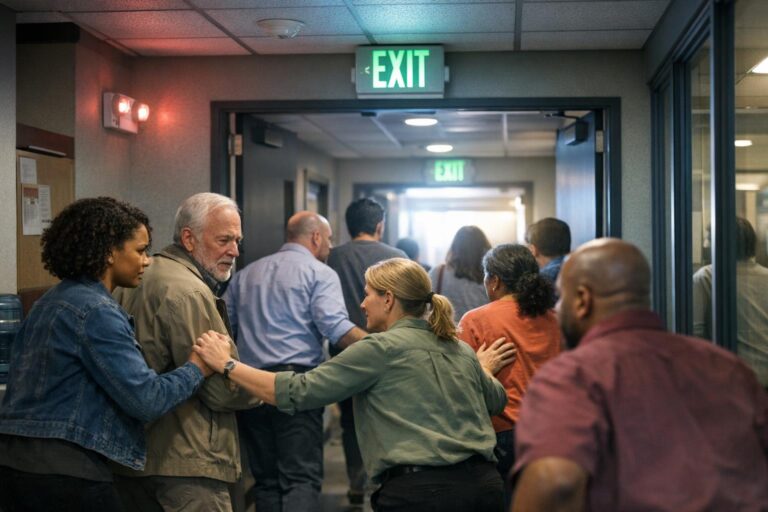
- Clear, unobstructed emergency exit routes designed into the layout, not squeezed in later
- Adequate exit capacity based on maximum occupancy and realistic staffing levels
- Fire‑resistant construction where needed, including fire walls and rated doors protecting egress paths
- Strategically located fire extinguishers, fire alarm pull stations, and, where required, sprinklers and fire pumps
- Reliable emergency lighting and illuminated exit signage with backup power
When these items are integrated into early design, they naturally guide traffic flow, material storage, and equipment placement, reducing the chance that exits will be blocked or hard to reach.
Design for safe material flow and traffic management
Material handling and vehicle‑pedestrian interaction are major sources of serious injuries in many facilities. A practical safety foundation starts with a layout that:
- Separates pedestrians from powered industrial trucks, delivery vehicles, and mobile equipment using barriers, designated walkways, and marked crossings
- Provides adequate aisle width for turning, passing, and loading operations based on the specific vehicles you will use
- Minimizes the need for manual handling by designing logical, direct routes from receiving to storage, production, and shipping
- Places high‑volume and high‑weight items to reduce lifting, carrying, and awkward postures
By designing safe material flow up front, you eliminate many of the repetitive, high‑risk movements that lead to strains, sprains, and struck‑by incidents.
Plan utilities and infrastructure with maintenance in mind
Poorly located utilities and equipment force maintenance personnel into unsafe positions and can result in frequent lockout/tagout challenges. During design:
- Position electrical panels, shutoffs, and valves with clear access zones and dedicated working space
- Avoid mounting equipment where normal maintenance requires ladders, climbing, or overreaching
- Design platforms, stairs, and catwalks with appropriate guardrails and toe boards wherever work at height is reasonably foreseeable
- Provide fixed anchor points for fall protection in areas where elevated work will be performed regularly
- Group noisy or high‑energy equipment in areas where noise, heat, or vibration can be controlled more effectively
This approach reduces the frequency and difficulty of non‑routine tasks, which are often when serious maintenance injuries occur.
Control hazardous substances and special hazards early
If your operations involve chemicals, combustible dust, high‑pressure systems, or other special hazards, plan dedicated spaces and controls before equipment is purchased:
- Design compliant chemical storage areas with spill containment, ventilation, segregation, and emergency eyewash or showers where required
- Provide appropriate ventilation strategies for fumes, vapors, or dusts, including local exhaust at sources rather than relying solely on general ventilation
- Evaluate explosion protection needs for combustible dust or flammable atmospheres, including equipment selection and deflagration venting where applicable
- Separate incompatible processes physically to reduce the chance that an incident in one area will escalate into multiple systems
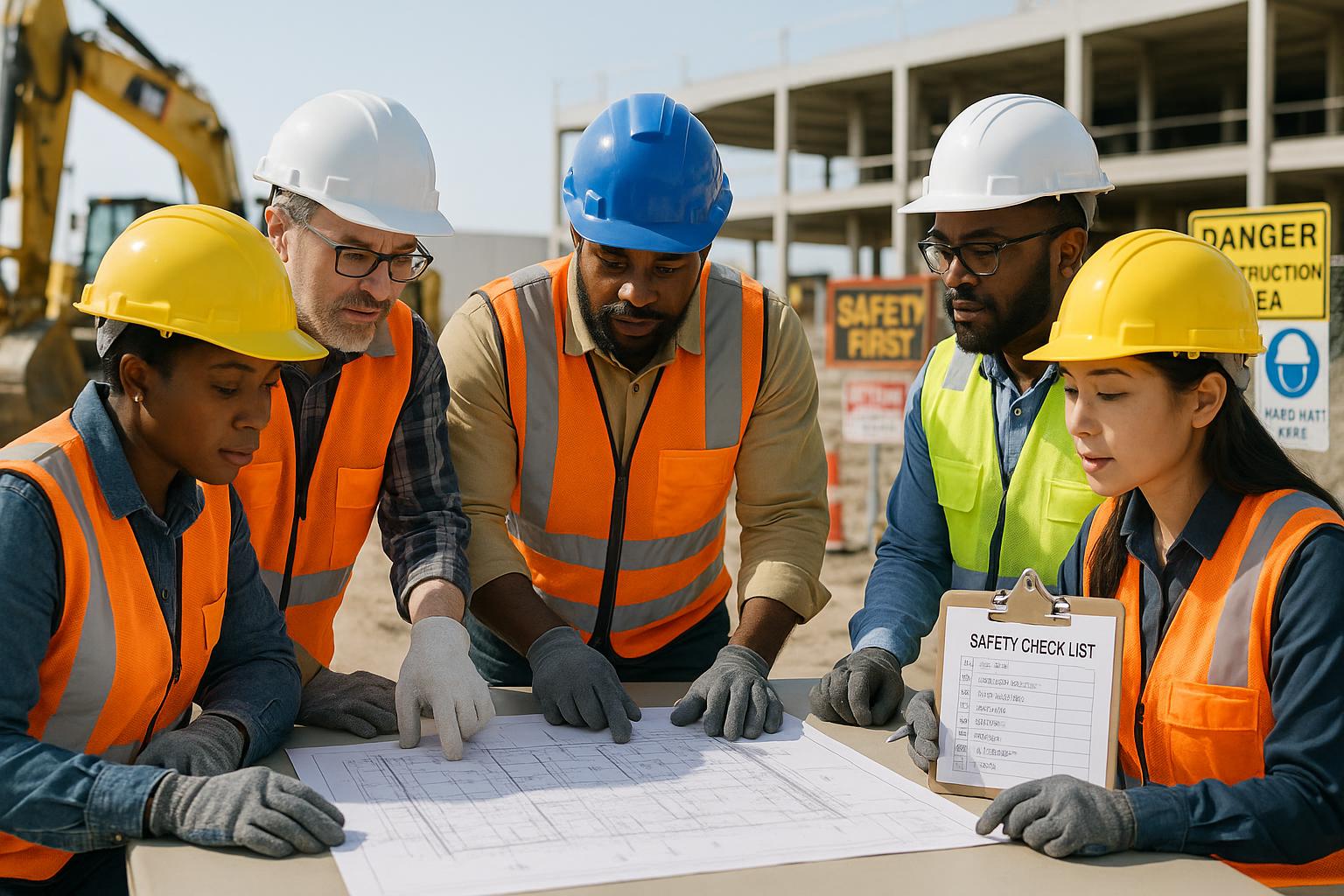
Early hazard identification workshops with engineering, safety, and operations can identify these needs before they are locked out by structural decisions.
Make ergonomics part of the physical design
Ergonomic issues are often treated as minor or individual problems, but they are a core part of a safe facility foundation. During design:
- Set elevations for work surfaces, conveyors, and controls to accommodate the broadest range of workers
- Use height‑adjustable workstations in areas with varied tasks or diverse workforce characteristics
- Avoid layouts that require repetitive twisting, reaching above shoulder height, or handling loads far from the body
- Ensure sufficient lighting and control placement to reduce eyestrain and awkward posture
These decisions significantly reduce the likelihood of musculoskeletal disorders and improve productivity over the life of the facility.
Embed safety into operational readiness
The physical environment is only half of the safety foundation. As you move from construction to commissioning:
- Develop site‑specific procedures that match the actual engineered controls and layout
- Create orientation programs that teach new workers how the facility is designed to be used safely, including traffic patterns, emergency routes, and designated hazard areas
- Train supervisors on the intent behind key design features so they do not undermine controls in the name of convenience
- Establish inspection and preventive maintenance routines tied directly to safety‑critical systems, including fire protection, ventilation, and fall protection equipment
This ensures that the designed‑in safety features are preserved and used as intended, instead of being bypassed or disabled.
Use leading indicators to monitor your foundation
From the first day of operations, track leading indicators that show whether the safety foundation is working as planned. Examples include:
- Frequency of blocked exits, encroached aisles, or disabled guarding found in inspections
- Near‑miss reports related to layout, traffic, visibility, or access problems
- Maintenance work orders tied to hard‑to‑reach areas or repeated breakdowns in safety‑critical components
- Employee feedback on ergonomics, noise, and lighting in specific work areas
Treat each signal as evidence of where your original design can be refined. Continuous improvement on top of a strong safety foundation will keep your new facility aligned with both regulatory requirements and your organization’s safety expectations.
Links (sources cited)
https://www.cdc.gov/niosh/topics/ptd