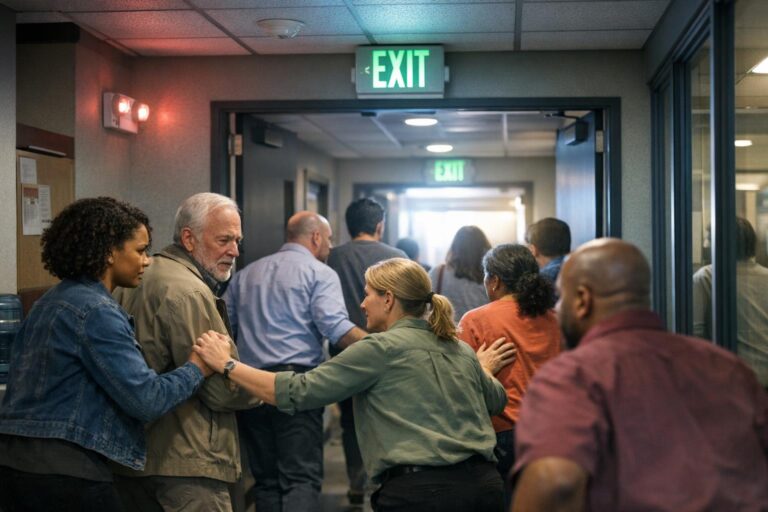
An incident or regulatory citation can feel like a setback, but it can also be the turning point that transforms your safety program. Organizations that treat incidents as learning opportunities instead of isolated events move from a reactive stance to a proactive, prevention-first culture. This shift reduces injuries, strengthens compliance, and improves productivity.
This toolbox talk outlines practical steps to analyze incidents, correct root causes, and build a stronger, proactive safety program that protects people and the business.
Why incidents and citations keep repeating
When the same types of incidents or OSHA citations recur, it is usually a sign of system-level issues, not “careless workers.” Common underlying problems include:
- Incomplete or outdated safety procedures
- Inadequate training or inconsistent onboarding
- Weak supervision or lack of accountability
- Poor reporting culture where hazards go unreported
- Production pressure overriding safe work practices
According to OSHA, implementing a safety and health program can reduce injuries and illnesses and improve compliance with laws and regulations. OSHA also notes that effective programs can lead to significant reductions in injury and illness rates, workers’ compensation costs, and other related expenses.
Moving from reactive to proactive means shifting your focus from “Who is at fault?” to “What in our system allowed this to happen?”
Step 1: Stabilize the situation and protect workers
Immediately after any incident or citation:
- Make the area safe: Stop work if necessary, lockout/tagout equipment, and prevent further access.
- Provide medical care: Ensure injured workers receive prompt, appropriate treatment.
- Preserve evidence: Do not rush to clean up or restart. Keep equipment, materials, and documentation available for investigation.
- Communicate clearly: Inform supervisors, safety staff, and leadership about what happened and what has been done so far.
This quick, structured response prevents secondary incidents and sets the stage for a thorough, fact-based incident investigation.
Step 2: Conduct a thorough incident investigation
A strong investigation looks beyond the last person who touched the equipment. To support a proactive safety program, your investigation should:
- Involve a team: Include the supervisor, safety representative, and a worker familiar with the task.
- Collect facts, not blame: Document what happened, when, where, who was involved, and environmental conditions.
- Use a root cause method: Techniques such as “5 Whys” or a simple cause-and-effect diagram help identify deeper system issues.
- Review training, procedures, and supervision: Assess whether expectations were clear, reasonable, and consistently enforced.
Document the chain of events, unsafe conditions, and any organizational factors like staffing levels, maintenance backlog, or production demands. The quality of this investigation directly affects the quality of your corrective actions.
Step 3: Identify root causes, not just surface causes
Surface causes describe what happened. Root causes explain why it was possible. For example:
- Surface cause: A worker slipped on spilled oil.
- Root causes: No formal housekeeping schedule, no spill response procedure, and no assigned responsibility for daily inspections.
A proactive safety program focuses on these deeper, system-level issues. Ask:
- Were hazards formally identified and assessed?
- Were there written procedures or job safety analyses (JSAs)?
- Did workers understand the procedure and have the right tools and PPE?
- Were supervisors monitoring and reinforcing safe work?
By addressing root causes, you prevent repeat incidents and move away from quick fixes that only treat symptoms.
Step 4: Develop corrective and preventive actions (CAPA)
Corrective and preventive actions should be specific, measurable, and time-bound. Effective CAPA includes:
- Engineering controls: Guarding, machine controls, ventilation, or design changes that remove the hazard.
- Administrative controls: Procedures, JSAs, rotations, inspections, and signage that reduce exposure.
- Training and competency: Targeted training, skills verification, and refresher sessions based on the incident findings.
- Accountability and follow-up: Assign responsible persons, due dates, and verification steps.
For regulatory citations, carefully review the regulation cited and OSHA guidance. Align your corrective actions with the standard and document how changes will prevent recurrence.
Step 5: Strengthen your safety management system
An incident or citation is a direct signal to evaluate the maturity of your overall safety program. Elements to review include:
- Hazard identification and risk assessment: Are you regularly inspecting work areas and tasks before incidents occur?
- Written programs and procedures: Are they current, accessible, and aligned with regulatory requirements?
- Worker participation: Are employees involved in hazard reporting, procedure development, and safety committees?
- Training and onboarding: Is safety integrated into orientation and job-specific training with clear competency checks?
- Incident reporting culture: Do workers feel safe reporting near misses and hazards without fear of blame?
OSHA recommends a systematic approach to workplace safety and health, including management leadership, worker participation, hazard identification, hazard prevention and control, education and training, and program evaluation and improvement. These elements help create a sustainable proactive safety program.
Step 6: Turn citations into structured improvement plans
A citation can become a roadmap for improvement if you respond strategically:
- Clarify exactly what was cited: Identify each standard, the condition observed, and the required abatement.
- Engage leadership: Review citations with management and explain operational, financial, and legal implications.
- Build an abatement plan: Include engineering changes, procedure updates, and training, with clear timelines and responsibilities.
- Communicate with employees: Share what the citation means, what will change, and how these changes protect them.
- Verify and document completion: Keep records of corrected conditions, training rosters, photos, and updated procedures.
Treat each citation as an external audit. Integrate lessons learned into your broader safety management system rather than isolating fixes to the cited area only.
Step 7: Use leading indicators, not just lagging indicators
Reactive programs rely mainly on lagging indicators such as recordable injuries, lost-time incidents, and citations. Proactive programs emphasize leading indicators such as:
- Number of safety observations and hazard reports submitted
- Percentage of completed corrective actions on time
- Frequency and quality of safety meetings and toolbox talks
- Completion rate and effectiveness of training
- Preventive maintenance completion rates
Tracking and acting on these leading indicators allows you to intervene before injuries and citations occur. Over time, this data also highlights trends and helps prioritize resources.
Step 8: Communicate and reinforce lessons learned
To truly turn an incident into a stronger safety program, the entire workforce must understand what happened and what changed:
- Share anonymized case studies in toolbox talks and safety meetings.
- Update procedures and highlight key changes during hands-on training.
- Recognize teams that identify hazards early or implement effective controls.
- Reinforce expectations consistently through supervision, coaching, and audits.
When workers see that their input leads to real changes and that incidents drive system improvements instead of blame, they are more likely to participate actively in your safety program.
Practical toolbox talk questions for crews
To support discussion at the jobsite, supervisors can use questions such as:
- What recent near misses have we had, and what can they teach us?
- Are there steps in today’s job where we are “getting by” instead of following the safest method?
- If an inspector walked in right now, what would they likely focus on?
- What hazards are we living with that we should be fixing at the system level?
Regular, open conversations about these questions help crews connect daily tasks to the overall proactive safety strategy.
Turning a setback into a safer future
Every incident and every citation is data. When you investigate thoroughly, correct root causes, and strengthen your safety management system, you move from reacting to events to preventing them. This proactive approach protects workers, reduces costs, and builds a culture where safety is embedded in every decision and every task.
Building that discipline before an incident forces the issue is easier with a real structure in place. See turning informal safety efforts into a real program and safety mentorship programs for ways to keep root-cause thinking alive day to day, or talk to us about compliance and auditing support if a recent citation needs a structured abatement plan.