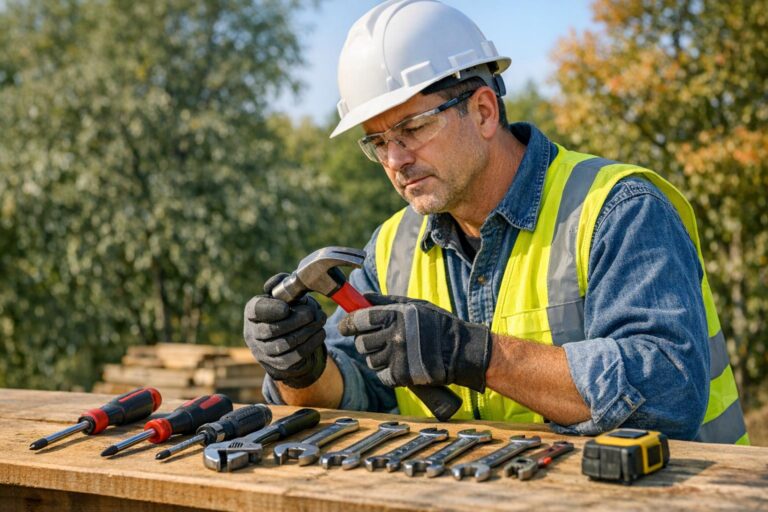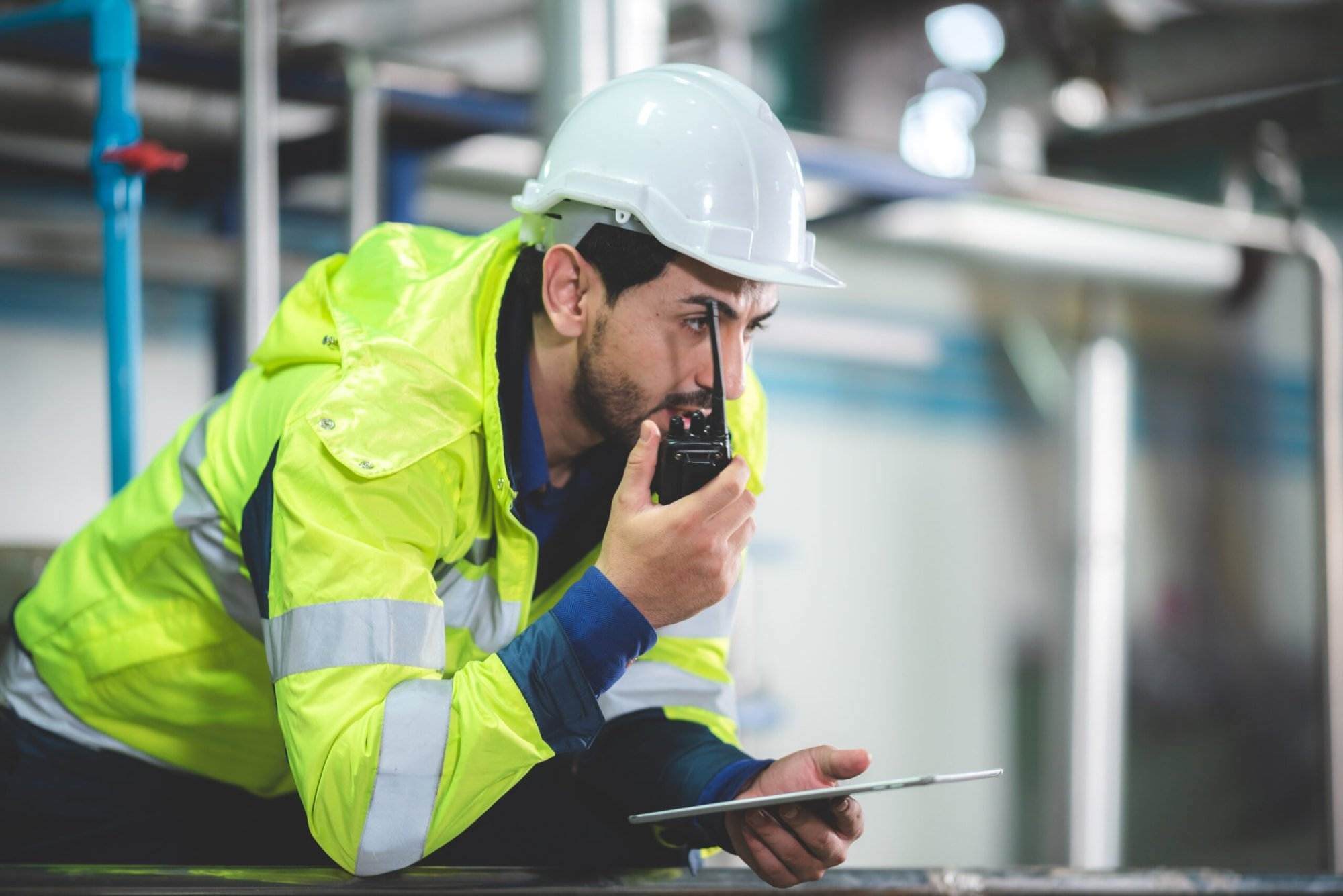
With so many moving parts, construction sites can be busy and even hectic at times. Sometimes accidents may occur simply because someone is not seen. While it may seem obvious, making sure that others can see you is extremely important for overall safety on a job site. One way to make sure that you are as safe as possible is by wearing high-visibility, or high-vis, clothing. Keep reading to learn more about high-vis clothing.
Different Types of High-Vis Garments
There are different kinds of high-visibility clothing that may meet the ANSI/ISEA standard. For every high-vis garment, there are two components to be mindful of: a background fabric color and reflective tape.
The background fabric can come in a variety of bright colors. The reflective tape is intended to help others distinguish you as a person and not another brightly colored control device, such as a traffic cone.
High-visibility clothing comes in different classes:
- Class 1—This type of high-vis garment does not meet ANSI/ISEA standards for providing ample safety during work that requires high-vis clothing. Class 1 garments are typically smaller vests that do not provide a lot of material. These garments might be appropriate for work done on sidewalks or as a parking lot attendant.
- Class 2—These garments will meet minimum standards for federal agencies. They are larger than Class 1 clothing and are made with more background material and more reflective tape. Examples of situations in which Class 2 garments are generally suitable include work during the daytime, on roads with lower speed limits and in areas where a physical barrier exists between traffic and workers.
- Class 3—This type of high-vis clothing provides the highest level of visibility for the wearer. These garments are either full-length pants or have long-sleeves to provide the most background and reflective material. Class 3 gear should be worn for duties such as when working at night, in areas without a barrier protecting workers, and on high-speed roadways.
- Class E—Class E is a subclass that includes pants or shorts. Combining Class E lower-body attire with a Class 2 upper-body garment will qualify the overall ensemble as Class 3. This may be useful for workers on shifts that span different parts of the day, as a worker could be compliant with a Class 2 garment while it is light out, and be able to simply add the Class E pants or shorts after dark to upgrade their outfit to Class 3.