In today’s fast-paced industrial landscape, ensuring safety across various sectors—from construction and maintenance to manufacturing—demands a proactive approach to mitigating risks and embedding best practices. Transforming safety practices goes beyond mere compliance; it involves tailoring solutions to specific environments, implementing effective fall protection systems, and nurturing a culture where safety becomes a shared commitment among all workers. By focusing on targeted strategies, such as risk assessment, specialized training, and continuous adaptation to evolving standards, industries can create secure workplaces that prioritize the well-being of every individual. This journey from theoretical safety standards to hands-on application is crucial for fostering a resilient, safety-first work culture.
Transforming Safety Practices in Various Industries
Construction Sites: Addressing Elevated Risks
- Risk Assessment: Identifying potential fall hazards to set a foundation for safety measures.
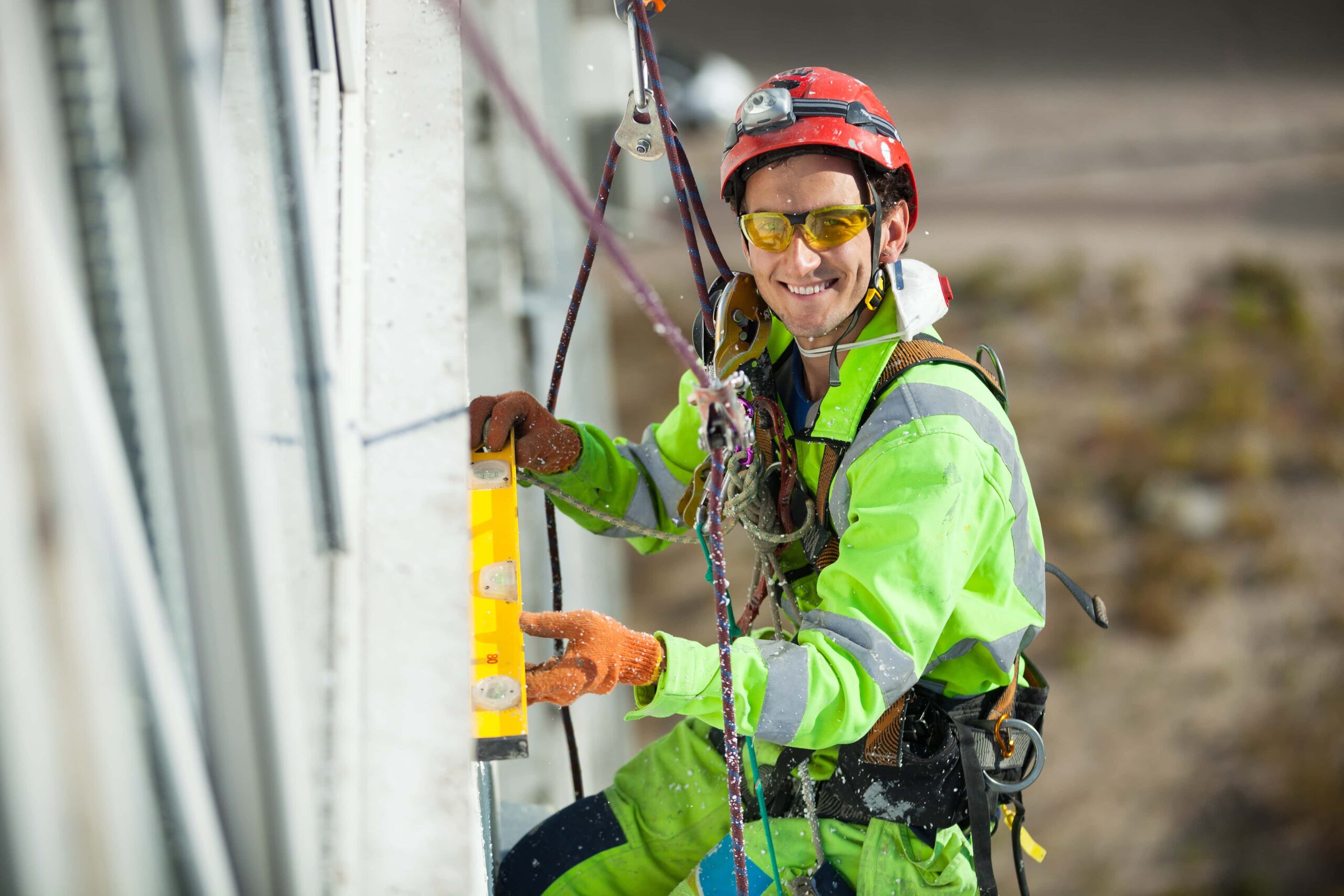
- System Selection and Installation: Choosing and installing fall protection equipment like guardrails and personal fall arrest systems.
- Hands-On Worker Training: Providing practical training to workers for safe navigation at heights.
Maintenance and Utilities: Tailored Strategies
- Customized Fall Protection Solutions: Adapting Fall Protection Standards for challenges unique to maintenance and utilities, such as working on poles or in confined spaces.
- Regular Equipment Inspections: Ensuring the optimal condition of safety equipment through consistent check-ups.
Manufacturing Sector: Permanent and Mobile Safeguards
- Permanent Safety Installations: Implementing fixed fall protection measures like guardrails in manufacturing environments.
- Mobile Safety Measures: Equipping workers with personal fall arrest systems for mobility in dynamic manufacturing settings.
Training and Drills: Embedding Fall Protection Standards
- Comprehensive Training Sessions: Merging theoretical knowledge with practical demonstrations in safety training.
- Simulated Emergency Drills: Conducting drills to prepare for real-world emergency scenarios.
Fall Protection Standards Improvement and Adaptation
- Feedback-Driven Adjustments: Making changes based on workforce feedback and experiences.
- Evolving with Standards: Updating safety practices in line with changing fall protection standards.
Cultural Shift: Embracing Safety Collectively
Safety as a Shared Commitment: Elevating safety from policy to a collective belief and commitment among all workers.
The journey from theoretical standards to practical application in fall protection is vital for creating a safer, more secure working environment. It involves understanding unique workplace challenges, adapting standards, equipping workers with knowledge and skills, and cultivating a culture where safety is instinctive and integral to every aspect of work.