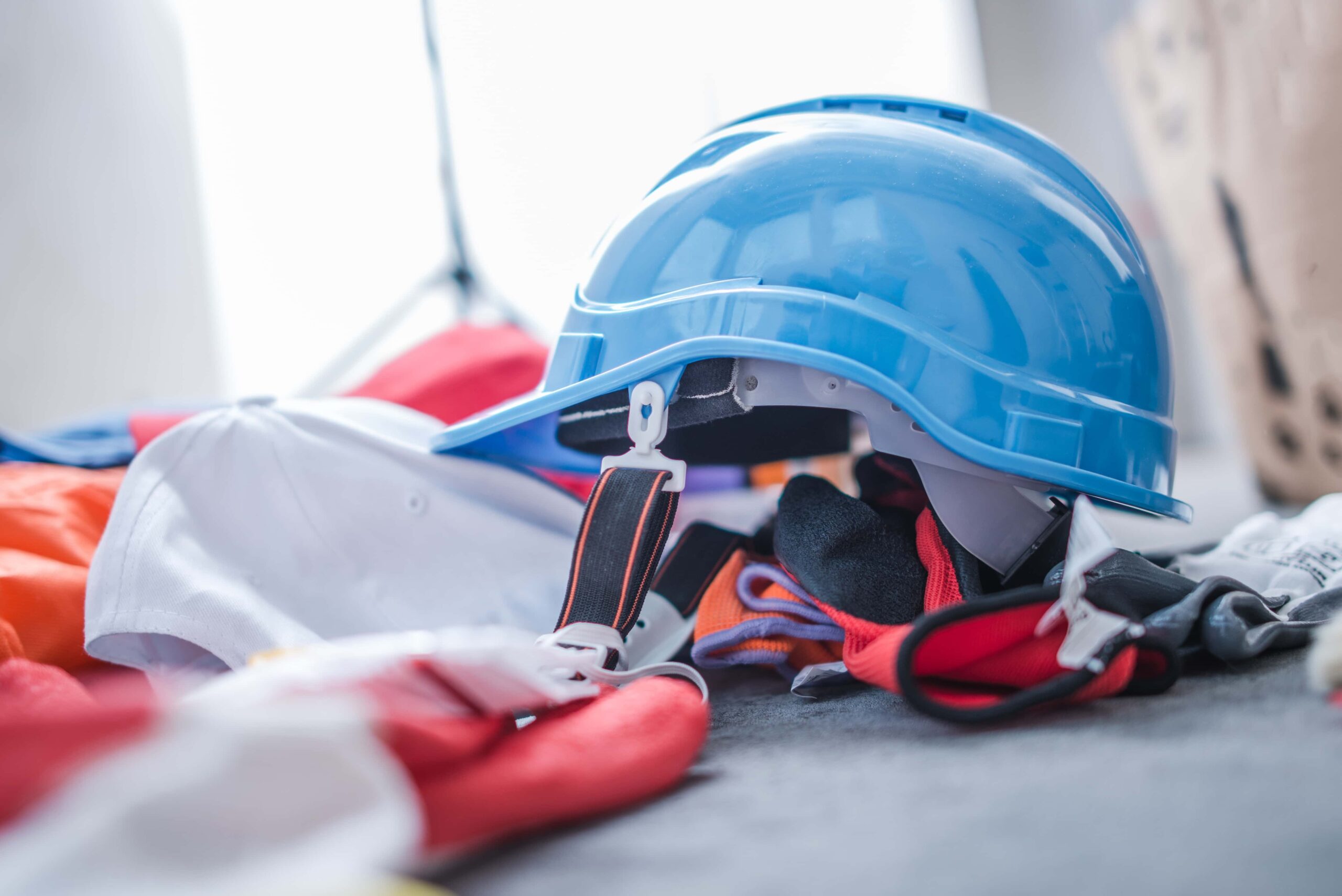
In any workplace, the use of Personal Protective Equipment (PPE) is essential for safeguarding employees against a variety of hazards. However, the effectiveness of PPE hinges not only on its correct usage but also on the diligent reporting and documentation of any gear that proves to be ineffective. Ensuring safety through these practices is crucial for maintaining a secure work environment and protecting workers from potential harm.
Why Reporting Ineffective PPE Matters
The significance of reporting ineffective PPE cannot be overstated. When PPE fails to provide the necessary protection, it puts workers at immediate risk of injury or illness. Therefore, a systematic approach to reporting such issues is essential. This process begins with educating employees on the importance of promptly identifying and reporting any defective or inadequate equipment. Workers need to understand that their vigilance can prevent accidents and protect their colleagues.
The Role of Documentation
Accurate documentation of ineffective PPE plays a pivotal role in maintaining workplace safety. Detailed records enable safety managers to track recurring issues, identify patterns, and take proactive measures to address them. By maintaining comprehensive logs of all reported PPE problems, organizations can ensure that equipment is replaced or repaired in a timely manner, thus minimizing the risk of accidents.
Moreover, documenting ineffective PPE helps in maintaining compliance with safety regulations. Regulatory bodies often require organizations to keep detailed records of safety equipment inspections, maintenance, and replacements. Proper documentation demonstrates a company’s commitment to safety and its adherence to legal requirements. This not only helps in avoiding penalties but also builds trust with employees and stakeholders.
Making Reporting Easy
The process of reporting and documenting ineffective PPE should be straightforward and accessible. Employees should be encouraged to report issues without fear of retribution. An open-door policy where workers feel comfortable voicing their concerns is essential. Implementing easy-to-use reporting tools, such as digital forms or mobile apps, can streamline the process and ensure that issues are logged promptly and accurately.
Acting Quickly on Reports
Once an issue with PPE is reported, immediate action is required. Safety managers must prioritize the assessment and resolution of the reported problem. This might involve inspecting the equipment, consulting with suppliers or manufacturers, and arranging for replacements or repairs. Quick resolution of PPE issues not only protects workers but also reinforces the importance of safety protocols within the organization.
Training on PPE Use and Reporting
Regular training sessions on the proper use, maintenance, and reporting of PPE can further enhance workplace safety. These sessions should emphasize the critical role of accurate reporting and documentation in preventing accidents and ensuring the effectiveness of safety equipment. By fostering a culture of safety awareness and accountability, organizations can significantly reduce the risks associated with ineffective PPE.
Conclusion
Ensuring safety through diligent PPE reporting and documentation is a proactive approach that benefits both employees and employers. It helps in identifying and rectifying issues before they lead to accidents, maintaining compliance with safety regulations, and fostering a culture of vigilance and responsibility. In a world where workplace hazards are ever-present, the importance of effective PPE management cannot be overstated.
For more information on implementing robust PPE reporting and documentation practices, visit Three Sixty Safety or contact us at (586) 778-9900. Let’s work together to create safer, more secure workplaces for everyone.