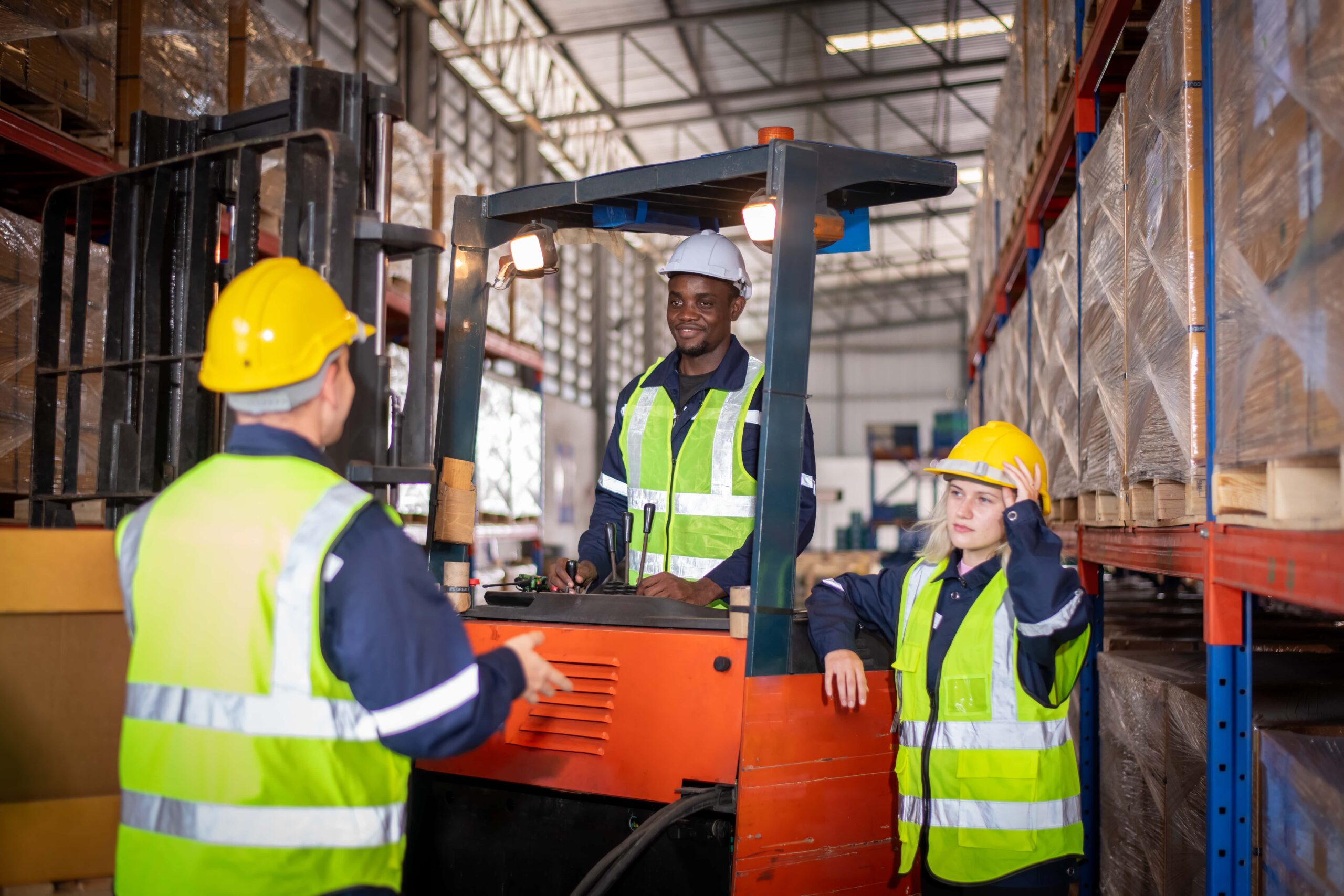
Forklifts are indispensable in various industries, aiding in the efficient transport of materials. However, their operation also poses significant risks not only to operators but also to other employees if not handled correctly. An effective forklift training program is crucial in minimizing accidents and enhancing workplace safety. This post explores the key elements that contribute to a successful forklift training program, emphasizing safety and compliance.
Comprehensive Curriculum
A well-rounded forklift training program must cover all necessary aspects of operation, starting with the basics of forklift design and mechanics, and extending to advanced operational skills. The curriculum should include:
Operating Instructions: Detailed guidance on the daily operation of forklifts, including start-up, handling, maneuvering, and shutdown procedures.
Safety Protocols: Clear instructions on safety measures, emergency procedures, and how to handle unexpected situations or malfunctions.
Maintenance Checks: Training in routine forklift maintenance checks to ensure the machine is in safe working condition before use.
Practical and Theoretical Training
Effective forklift training programs combine theoretical knowledge with hands-on practice. This approach ensures that:
Knowledge Acquisition: Operators understand the why behind each operation and safety protocol through classroom learning or digital courses.
Skill Application: Operators apply their knowledge in controlled environments, practicing maneuvers and troubleshooting under supervision.
Certification and Recertification
Certification is a crucial element, signaling that an operator has met all required training standards. Key points include:
Initial Certification: All new operators must undergo comprehensive training and pass a competency test to receive their forklift operation certificate.
Regular Recertification: Operators should be recertified at regular intervals recommended by industry standards or whenever there are updates to operational procedures or new types of equipment introduced.
Regular Evaluations and Feedback
Continuous assessment is essential to ensure ongoing compliance and skill proficiency. Elements to consider include:
Performance Assessments: Scheduled and ad-hoc evaluations of operators’ skills and adherence to safety protocols.
Feedback Mechanisms: Providing constructive feedback and additional training where necessary to address any deficiencies.
Culture of Safety
A successful training program also focuses on creating a culture of safety that goes beyond individual compliance. Strategies to foster this environment include:
Engagement Programs: Initiatives that involve operators in safety discussions, updates, and decision-making processes.
Recognition Systems: Rewards and acknowledgments for exemplary safety practices and innovations in safety procedures.
Legal Compliance
It is imperative that the training program complies with all local and international safety regulations. This includes:
Regulatory Updates: Regular updates to the training program to reflect changes in laws and guidelines.
Documentation: Maintaining accurate records of training sessions, certifications, and evaluations for legal and internal review.
Conclusion
An effective forklift training program is integral to maintaining safety and operational efficiency in environments where forklifts are in use. By investing in a comprehensive and continuously updated training program, organizations can significantly reduce the risk of accidents and ensure a safer workplace for all employees. Each element of the program plays a crucial role in building operator competence and fostering a proactive approach to workplace safety.