
Overcoming Common Obstacles in PPE Use: Addressing Misconceptions and Non-compliance Among Workers

Introduction The proper use of Personal Protective Equipment (PPE) is crucial for ensuring worker safety. However, organizations often face challenges related to misconceptions and non-compliance among workers. Overcoming these obstacles is essential to establish a strong safety culture and minimize the risk of workplace incidents. This article addresses common obstacles in PPE use, such as […]
PPE for Specific Hazards: Detailed Insights into Equipment for Chemical, Electrical, and Biological Risks
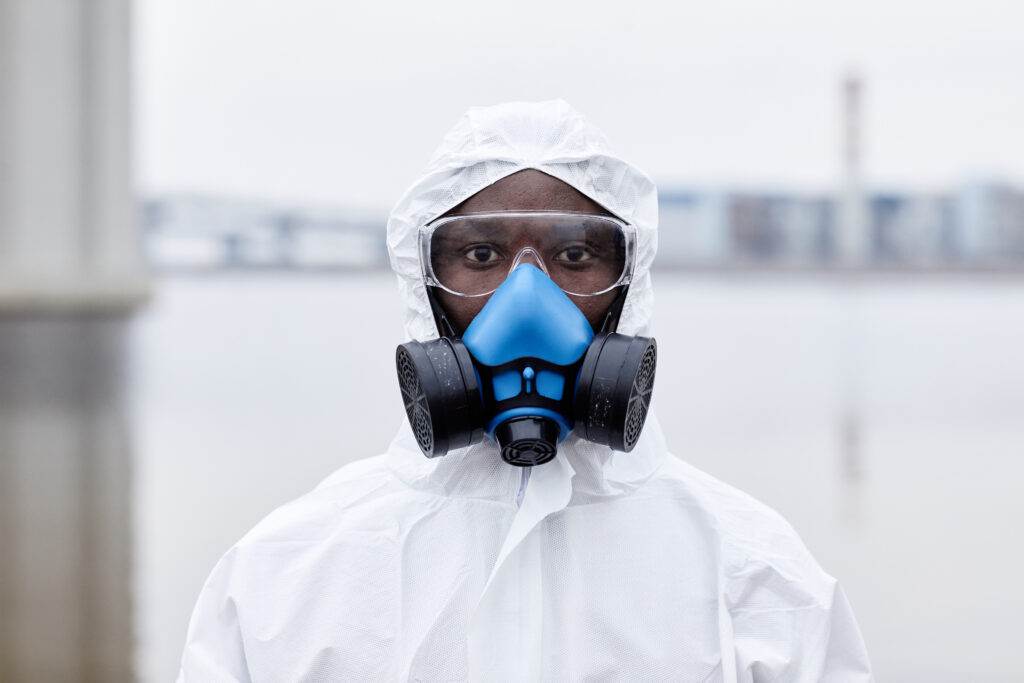
Introduction Personal Protective Equipment (PPE) plays a crucial role in protecting workers from specific hazards, such as chemical exposures, electrical risks, and biological contaminants. Understanding the appropriate PPE for these hazards is essential for ensuring worker safety. This article provides detailed insights into the equipment commonly used for chemical, electrical, and biological risks. By implementing […]
Understanding and Complying with PPE Standards: Navigating OSHA Regulations and Other Safety Guidelines

Introduction Personal Protective Equipment (PPE) is a crucial component of workplace safety, providing protection against various hazards. To ensure the effectiveness of PPE, it is essential to understand and comply with the relevant standards and regulations. This article focuses on the importance of understanding and complying with PPE standards, particularly those set by the Occupational […]
Choosing the Right PPE: Aligning Equipment with Workplace Hazards
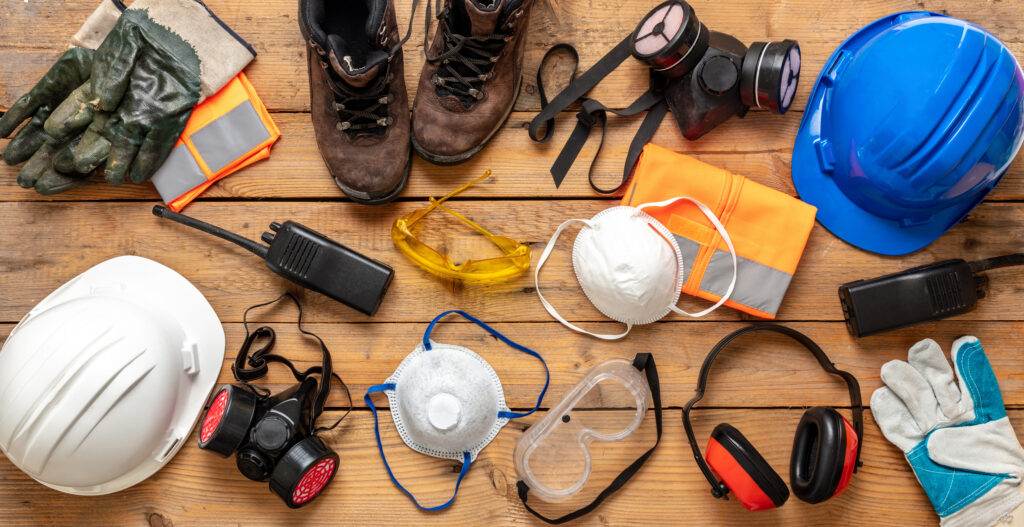
Introduction Personal Protective Equipment (PPE) plays a critical role in ensuring worker safety by providing a physical barrier against job hazards. However, the effectiveness of PPE depends on selecting the right equipment that matches the specific job hazards. This article emphasizes the importance of properly selecting PPE and explores strategies for matching equipment to job […]
Protecting Against Silica Exposure
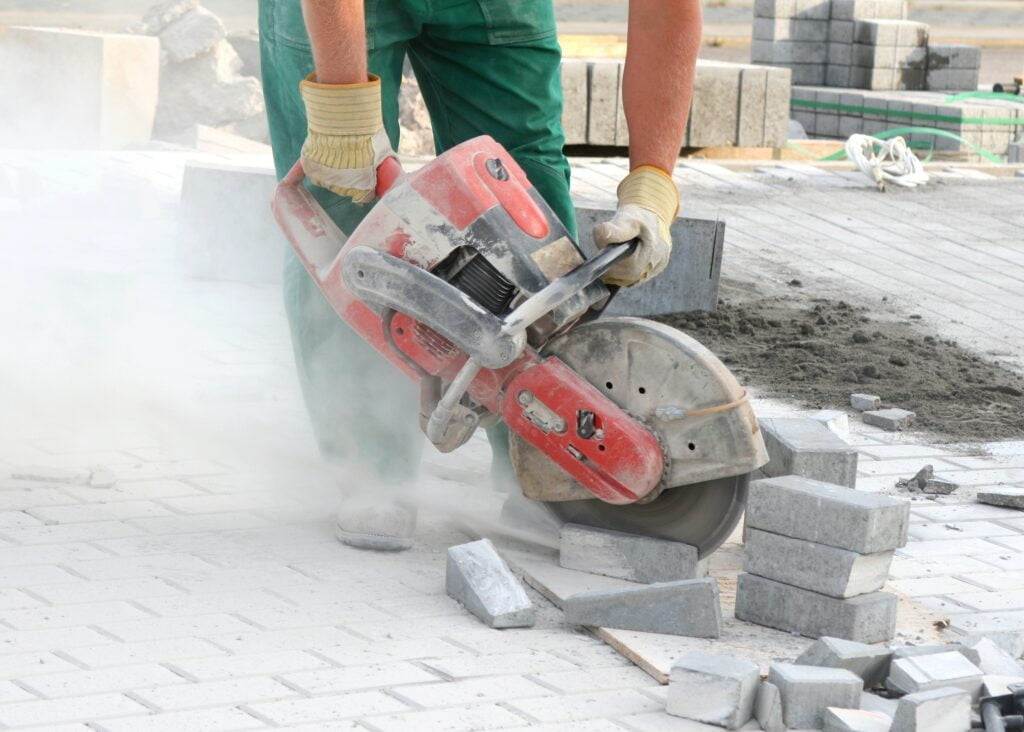
Found in commonly used materials such as concrete, asphalt, coal dust, and natural stone, silica particles can be inhaled when dust is created during handling. Silica Exposure is hazardous to you health. What’s a Little Dust? Although silica looks like dust, it’s much more harmful to your lungs. Silica dust is a human lung carcinogen, […]
How to Safely Handle Chemical Spills in Manufacturing
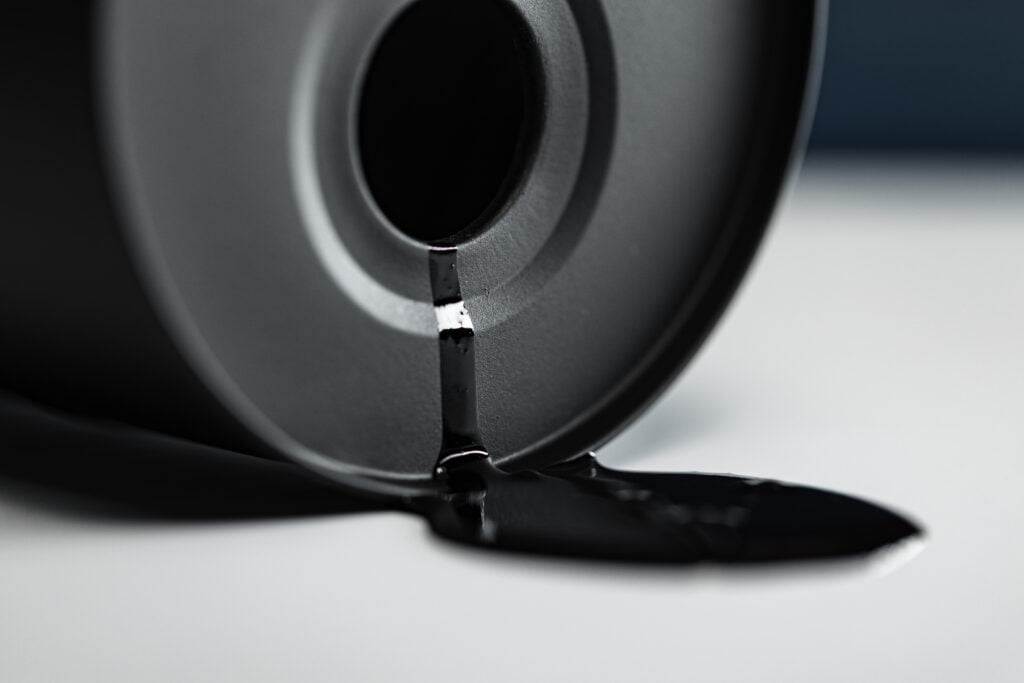
Provided by: Three Sixty Safety Learn How to Handle Chemical Spills Safely Working with chemicals on the manufacturing floor puts all employees at serious risk for injuries due to explosions. For this reason, the Occupational Safety and Health Administration (OSHA) requires worksites where hazardous chemicals are used to have an emergency action plan (EAP). The […]
Manufacturing Safety: Proper Use and Care of Respiratory Protection
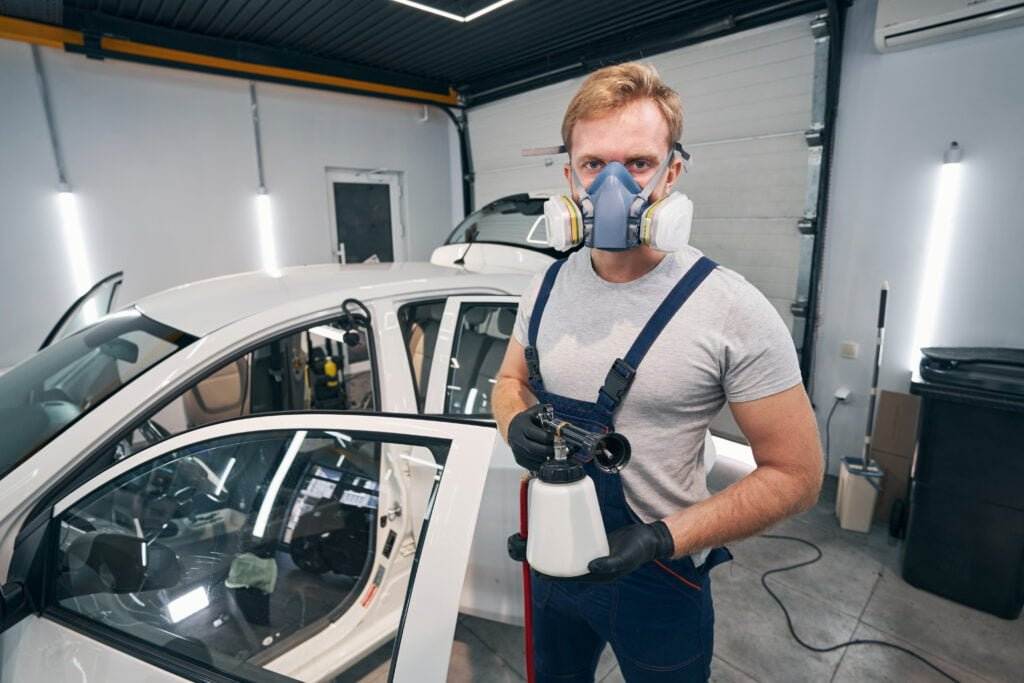
Provided by: Three Sixty Safety Proper Use and Care ofRespiratory Protection Wearing respiratory protection may seem inconvenient, but airborne particles and contaminants—no matter how small—can cause both short-term and long-term health problems if proper use and care of respirators is not exercised. Respirators protect employees from areas with insufficient oxygen, harmful dusts, fogs, smokes, mists, […]
Manufacturing Safety: Head Protection

Provided by: Three Sixty Safety Head Protection In manufacturing, head injuries from falling, flying, or fixed objects can be prevented by wearing the proper head protection. When these types of injuries occur, they can lead to significant head trauma or even irreversible, long-term damage. To ensure your workplace safety, few things are more important than […]
Manufacturing Safety: Dangers of Silica Exposure
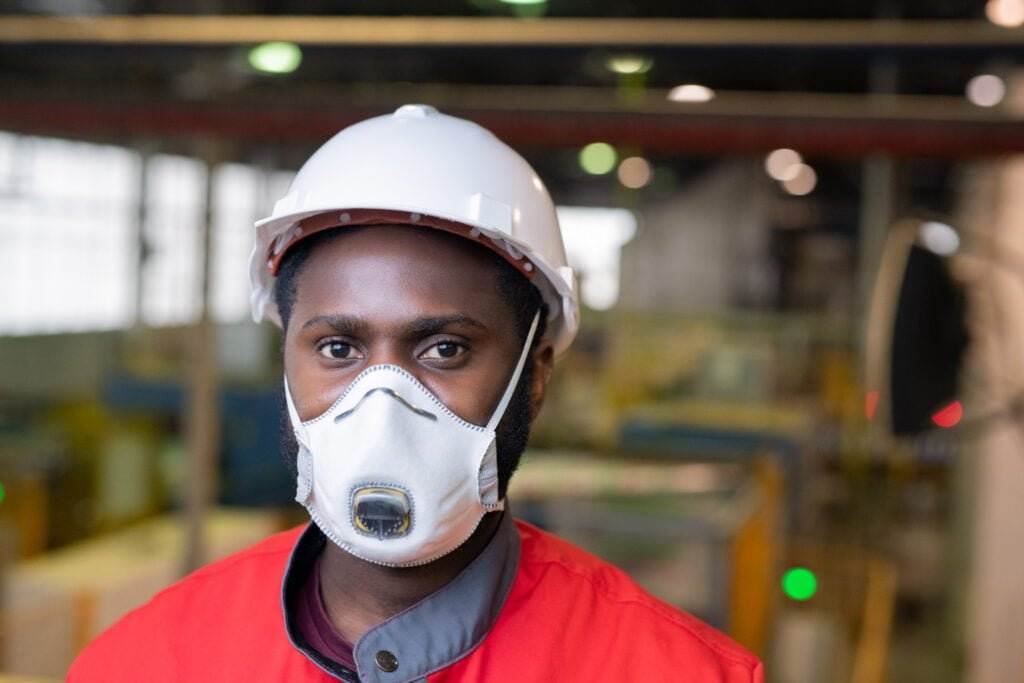
Provided by: Three Sixty Safety Dangers of Silica Exposure Found in commonly used materials such as concrete, asphalt, coal dust and natural stone, silica particles can be inhaled when dust is created during handling. Review this flyer to learn more about the dangers of silica exposure and related safety practices. What’s a Little Dust? Although […]
Manufacturing Safety: Protective Equipment
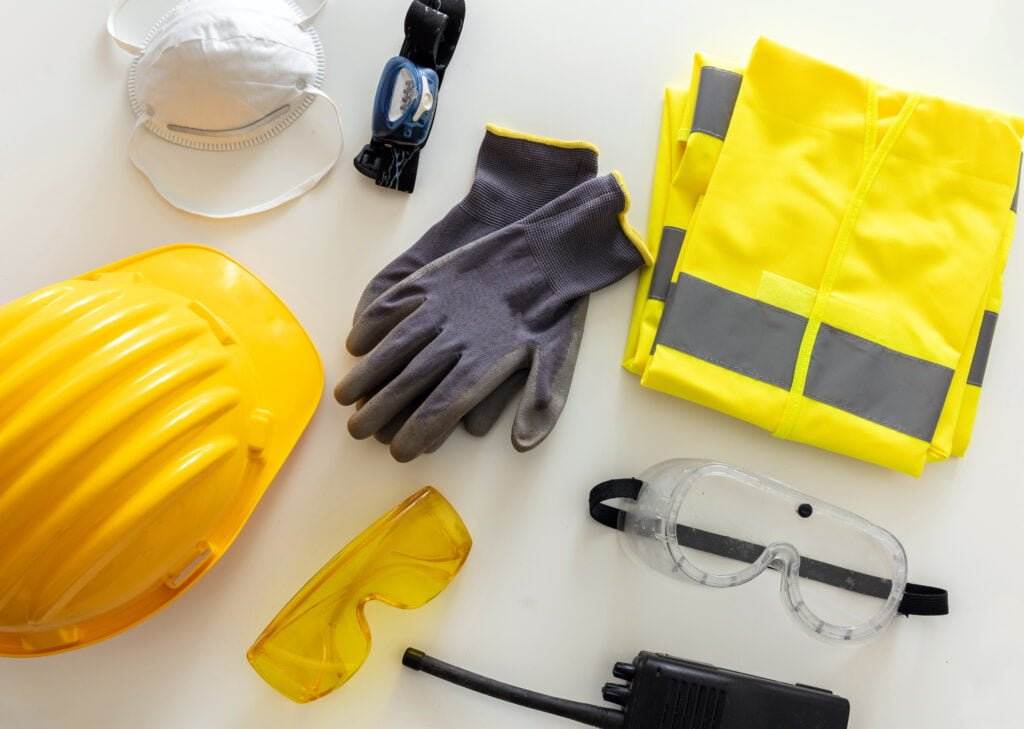
Provided by: Three Sixty Safety Stay Safe WithPersonal Protective Equipment In the manufacturing industry, engineering controls are the first line of defense against occupational injury and fatalities. However, these methods do not always offer the maximum protection for workers, so personal protective equipment (PPE) is crucial. While we follow all government regulations regarding PPE and […]