
What Is Wildfire Smoke and Why Is It Dangerous?
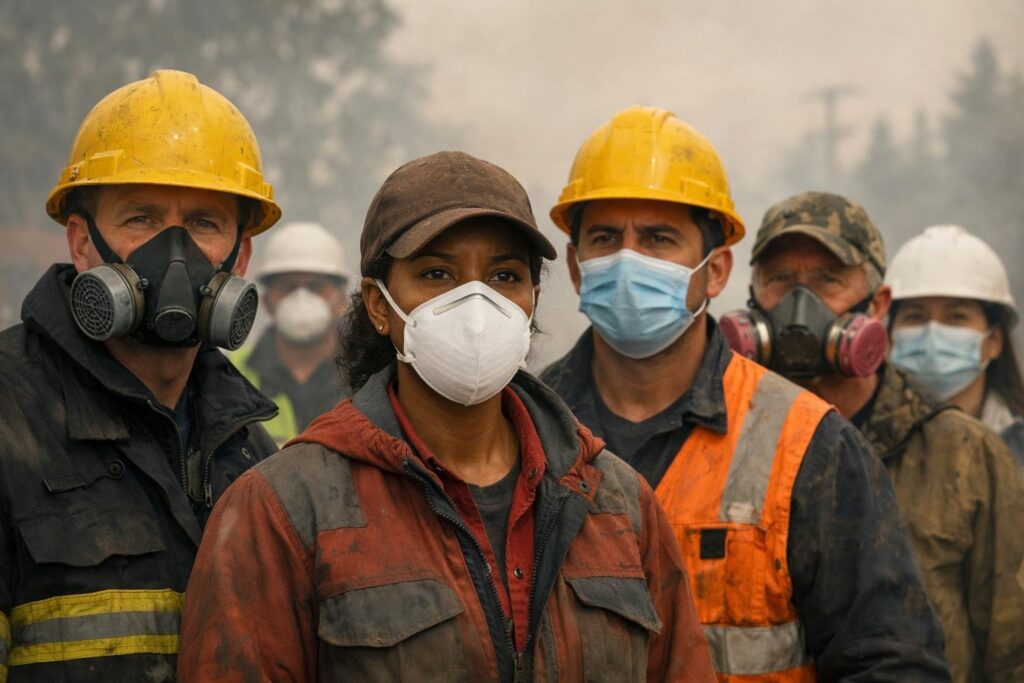
Wildfire smoke is a mixture of gases and fine particles from burning vegetation, building materials, and other fuels. The particles that create the biggest health risk are called fine particulate matter or PM2.5—tiny particles that are 2.5 micrometers in diameter or smaller and can penetrate deep into the lungs. Agencies such as the U.S. Environmental […]
Understanding Wind and Flying Debris Hazards
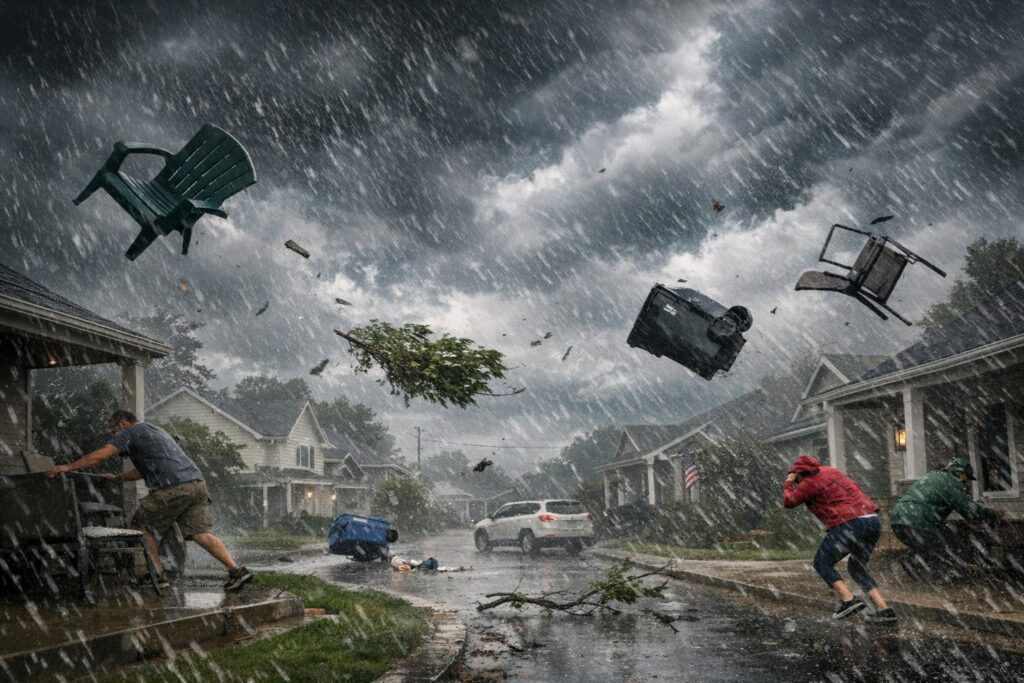
High winds affect worksites long before the rain starts. Gusts can lift loose materials, topple poorly anchored structures, and push over workers using ladders or working at heights. Typical sources of flying debris in workplaces include: The hazard increases with wind speed, but even moderate winds can be dangerous in exposed or elevated areas. According […]
Understanding High-Wind Hazards on Construction Sites
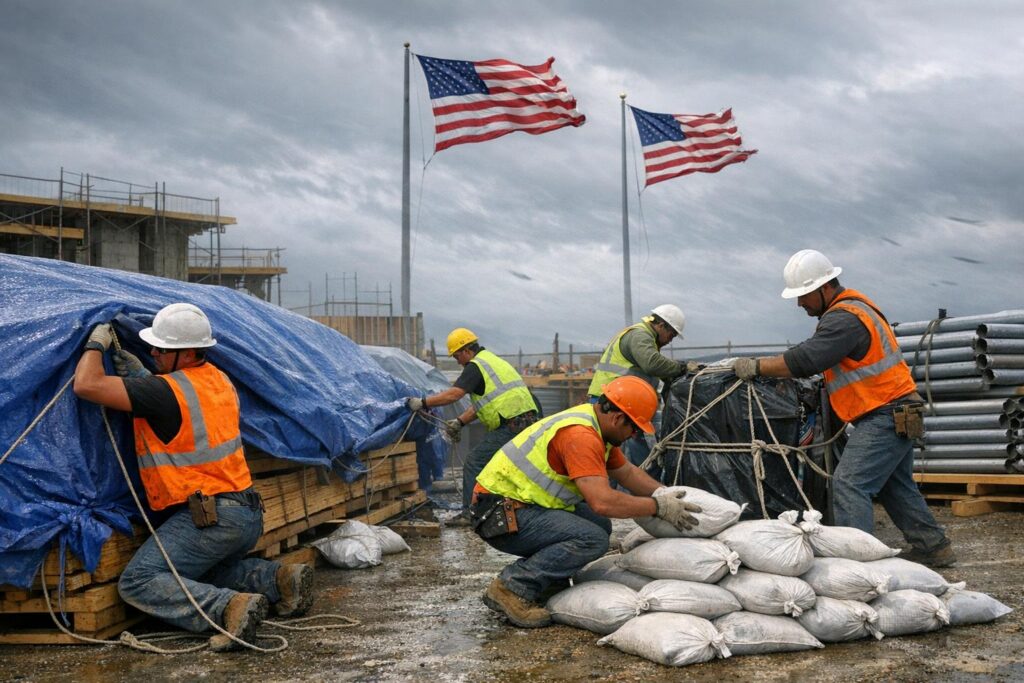
High winds increase forces on everything above ground level: scaffolds, formwork, crane loads, temporary roofs, fencing, and stacked materials. Even moderate gusts can dislodge unfastened items and blow them into walkways, public roads, or neighboring properties. Common high-wind hazards on jobsites include: OSHA requires employers to ensure scaffolds and other equipment are not used in […]
Understanding Late-Summer Thunderstorm Risks
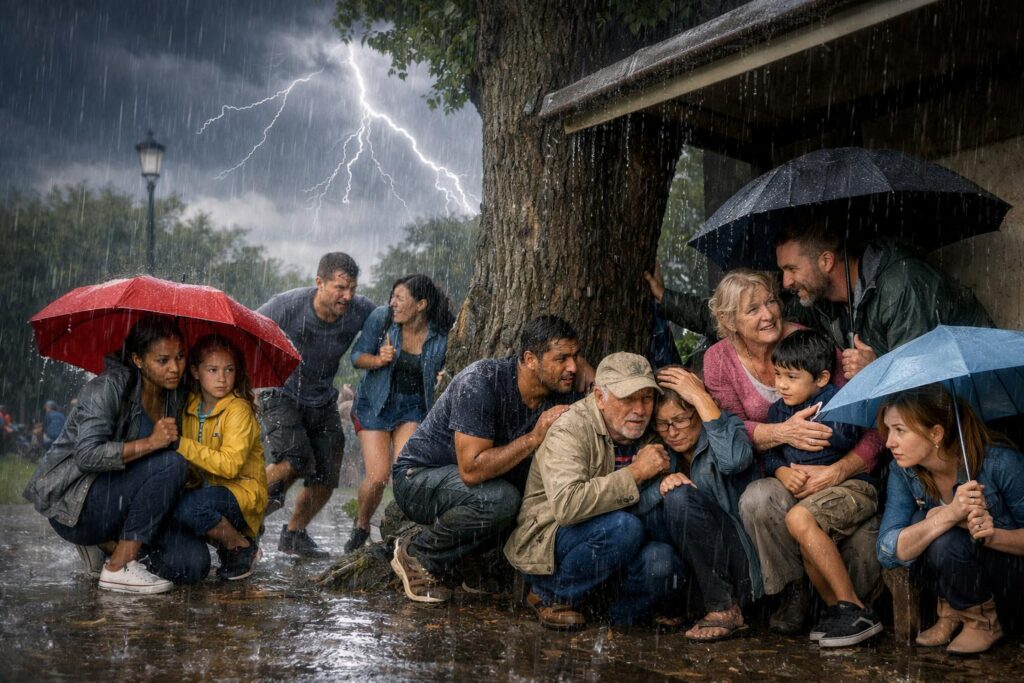
Thunderstorms are common, but their frequency and intensity in late summer can catch teams off guard. The U.S. National Weather Service reports that lightning is a leading weather-related cause of injury and death, with hundreds of injuries in the United States each year. Most victims are caught outside, often near tall objects, equipment, or open […]
What Is Lightning and Why Is It Dangerous?
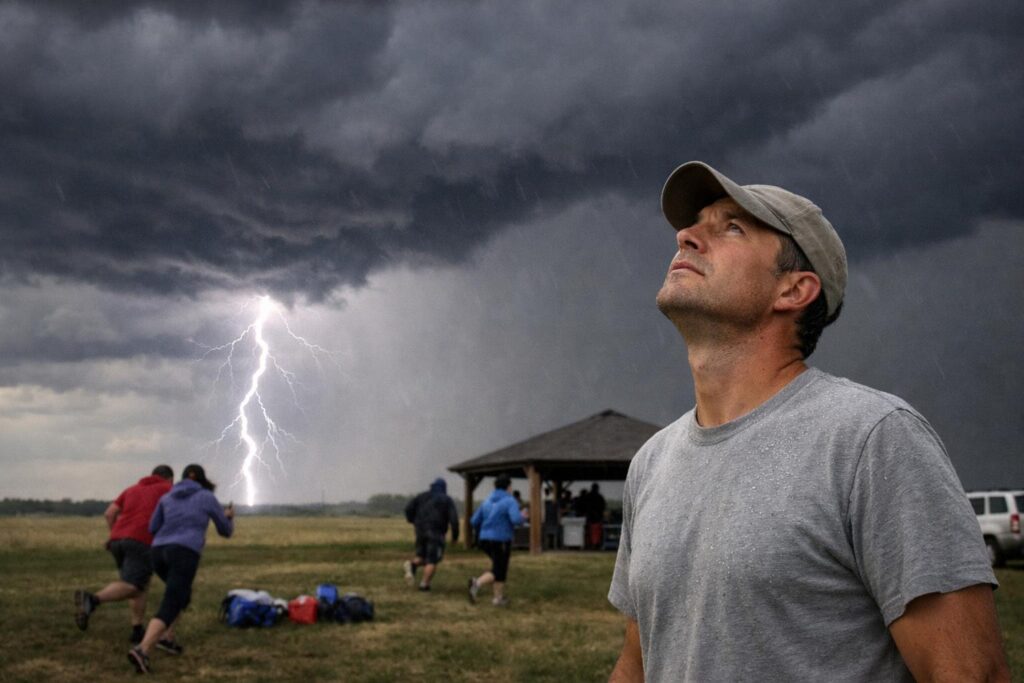
Lightning is a powerful electrical discharge created during thunderstorms. When positive and negative charges build up between clouds and the ground, the difference in electrical potential is released as a lightning strike. The air around a lightning bolt can heat to around 30,000°C, hotter than the surface of the sun, and the electrical current can […]
Why Sun Exposure Is a Serious Safety Risk
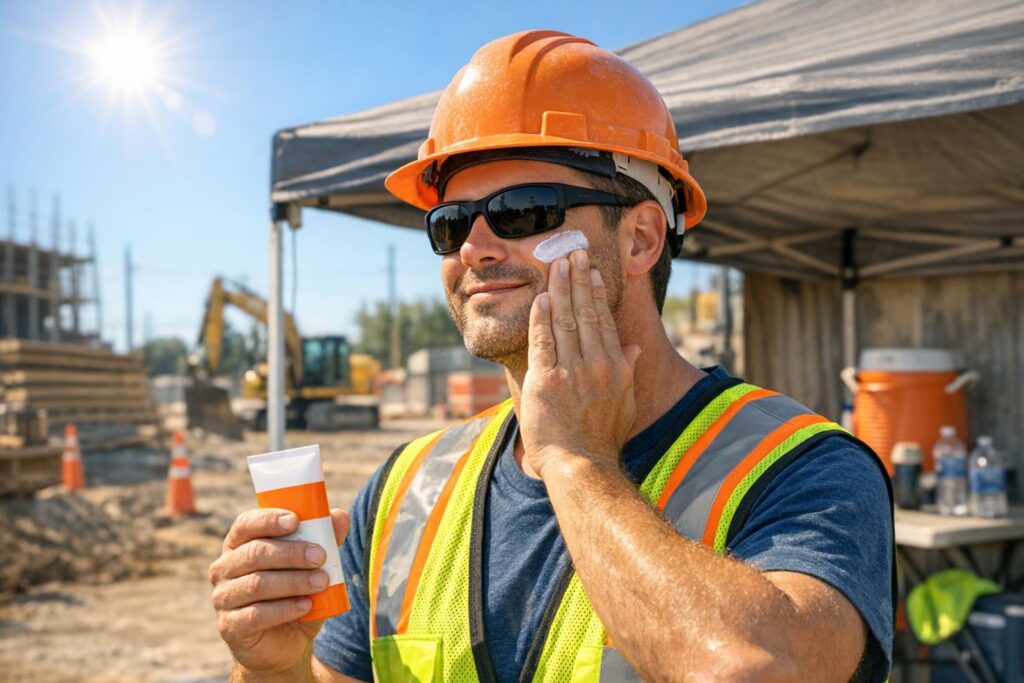
UV rays are a form of radiation from the sun that can damage skin cells even on cool or cloudy days. You cannot see or feel UV radiation, which is why many workers underestimate the risk. A sunburn is not just a short‑term discomfort; it is evidence of cellular damage that can accumulate over years […]
Block the Rays: UV Protection for Outdoor Workers
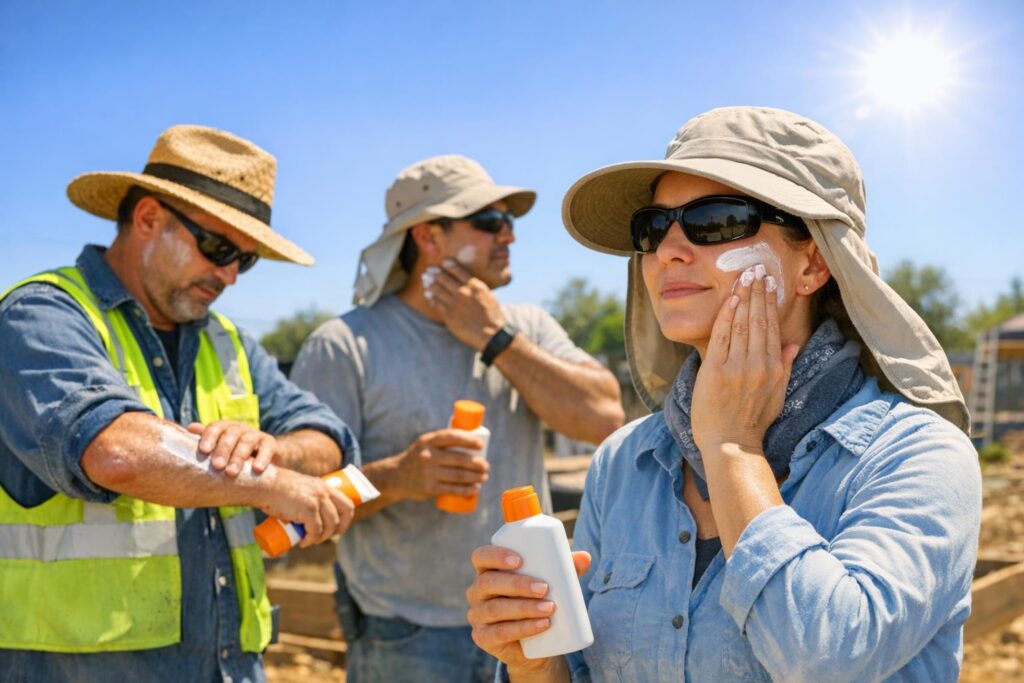
Working outdoors means sun exposure is part of the job. While a tan might seem harmless, long-term exposure to ultraviolet (UV) radiation is a serious occupational hazard that can cause skin cancer, eye damage, premature aging of the skin, and heat-related illness. UV protection is just as critical as hard hats, safety boots, and high-visibility […]
Why Waiting for Thirst is Too Late
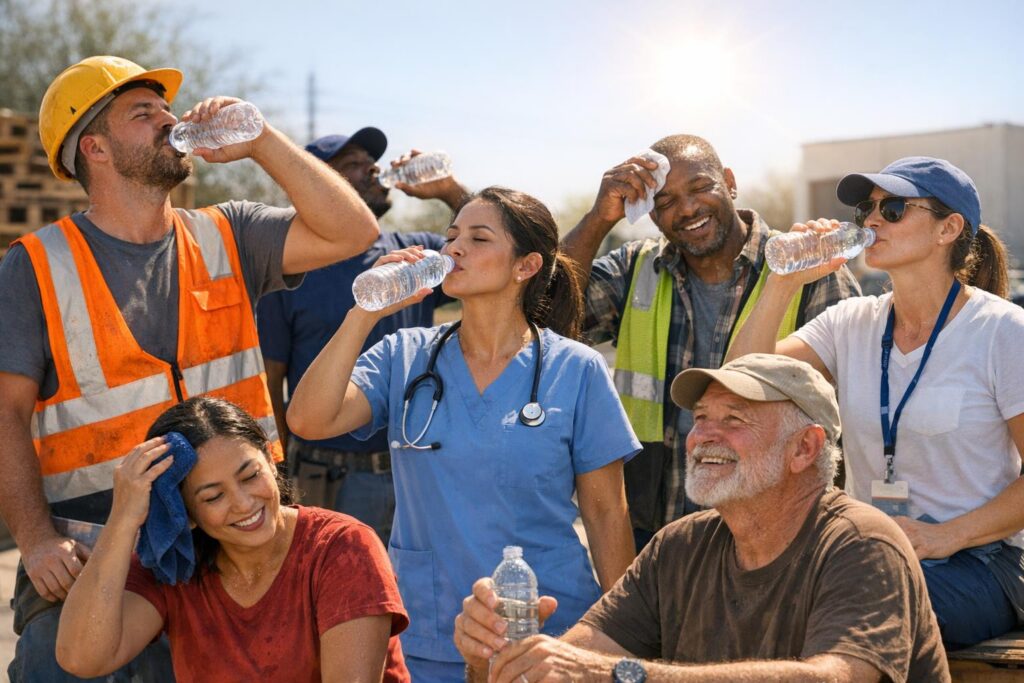
Thirst is a delayed warning signal, not an early alert. When you start to feel thirsty, your body is already losing fluids and electrolytes that are essential for safe work. Even mild dehydration can reduce concentration, slow reaction time, and increase the risk of mistakes. Research shows that losing as little as 1–2% of body […]
Why Hydration Matters for Workplace Safety

Dehydration happens when your body loses more fluids than it takes in. You lose water through sweat, breathing and using the restroom. Physical work, PPE and high temperatures speed that loss up. When you do not replace what you lose, your body’s cooling system struggles and your brain and muscles cannot work properly. Research from […]
Why Late-Summer Heat Is Especially Risky

Late summer often feels less intense than July’s peak heat, but it can be just as dangerous. Workers may drop their guard, hydration habits slip, and fatigue from a long season builds up. That combination makes August and early September a prime time for heat cramps, heat exhaustion, and even deadly heat stroke on the […]