
Bridging the Gap: How Managers Translate Safety Data into Action

In today’s data-rich work environments, safety data is abundant. From incident reports to near-miss logs, organizations collect vast amounts of information daily. However, the true value of this data lies in its application. Managers play a pivotal role in interpreting safety data and transforming it into actionable strategies that enhance workplace safety and compliance. The […]
Leading by Example: The Impact of Manager Behavior on Safety Compliance

In any organization, safety compliance isn’t solely dictated by policies or procedures; it’s profoundly influenced by the behaviors and attitudes of its leaders. Managers who consistently demonstrate a commitment to safety set the tone for their teams, fostering an environment where safety becomes a shared value rather than just a mandate. The Power of Managerial […]
Managerial Communication: How Clear Safety Messaging Reduces Hazards
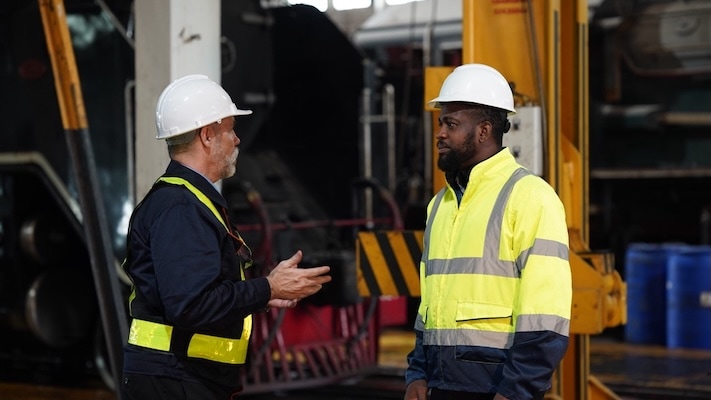
Effective safety communication is a cornerstone of hazard prevention in the workplace. Managers play a pivotal role in ensuring that safety messages are conveyed clearly and understood by all employees. This article explores the importance of managerial communication in reducing workplace hazards and offers best practices for enhancing safety messaging. The Importance of Clear Safety […]
Safety Starts with Training: The Manager’s Role in Workforce Education

In today’s dynamic work environments, safety is not just a policy—it’s a practice that begins with effective training. Managers play a pivotal role in shaping a culture where safety is prioritized, understood, and implemented daily. Their leadership in workforce education ensures that safety protocols are not only taught but also ingrained in the organizational ethos. […]
From Policy to Practice: How Managers Can Turn Safety Procedures into Habits

Safety policies are essential for establishing a framework that protects employees and ensures compliance. However, the true effectiveness of these policies is realized only when they are consistently practiced and ingrained into daily routines. Managers play a pivotal role in this transformation, turning written procedures into habitual actions that define a strong safety culture. The […]
Empowering Supervisors: Giving Mid-Level Managers the Tools to Lead Safely

In the intricate hierarchy of organizational leadership, mid-level managers stand as the crucial link between strategic vision and operational execution. Their role is pivotal in translating safety policies into daily practices, ensuring that safety is not just a directive from the top but a lived experience on the ground. The Pivotal Role of Mid-Level Managers […]
Manager-Led Safety Audits: Why Top-Down Inspections Work

In many organizations, safety audits are traditionally conducted by dedicated safety officers or external consultants. However, a growing number of companies are recognizing the value of manager-led safety audits. When leadership actively participates in safety inspections, it reinforces a culture where safety is a shared responsibility and a core organizational value. At Three Sixty Safety, […]
Creating a Safety-First Leadership Model: Traits of Effective Safety Managers

In high-risk industries, safety can never be an afterthought — it must be a foundational part of leadership. At the core of every strong safety culture is a safety-first leadership model led by proactive, accountable, and knowledgeable managers. These leaders don’t just enforce rules — they inspire safe behavior, empower their teams, and align safety […]
Safety Leadership During Crisis: Best Practices for Managers in High-Stakes Situations
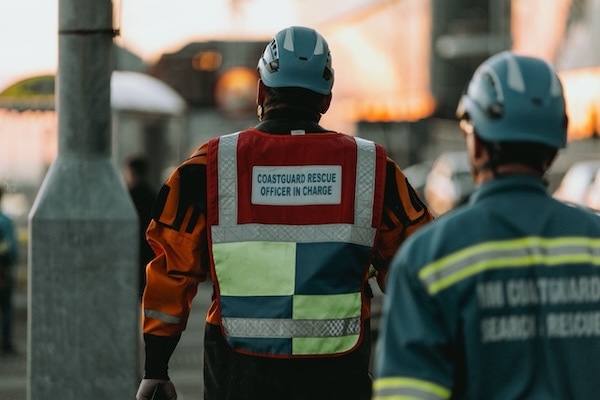
In high-stakes situations, effective safety leadership is paramount. Managers are not only responsible for guiding their teams through crises but also for ensuring that safety remains a top priority. This article explores best practices for managers to lead effectively during emergencies, emphasizing the importance of preparation, communication, and adaptability. Understanding the Role of Managers in […]
The Power of Accountability: Holding Leaders Responsible for Safety Outcomes

Workplace safety is not just the responsibility of frontline workers — it’s a leadership imperative. When organizations prioritize accountability at the managerial level, safety outcomes improve, trust increases, and injuries decline. At Three Sixty Safety, we believe that true safety culture begins with leadership taking ownership of their role in hazard prevention, compliance, and employee […]