Flagging safety protects construction crews by directing traffic away from active job sites. Flaggers are required where barricades and signs cannot safely divert traffic. Traffic control flagging can be extremely dangerous in high-speed areas or around aggressive drivers.
There are several safety tips that will ensure a safe working environment on the roadside.
Traffic Control Flagger Safety Dos
- Attend safety training on directing traffic, understanding work zone layouts and responding to emergency vehicles.
- Ask your supervisor how to handle situations with particularly aggressive drivers.
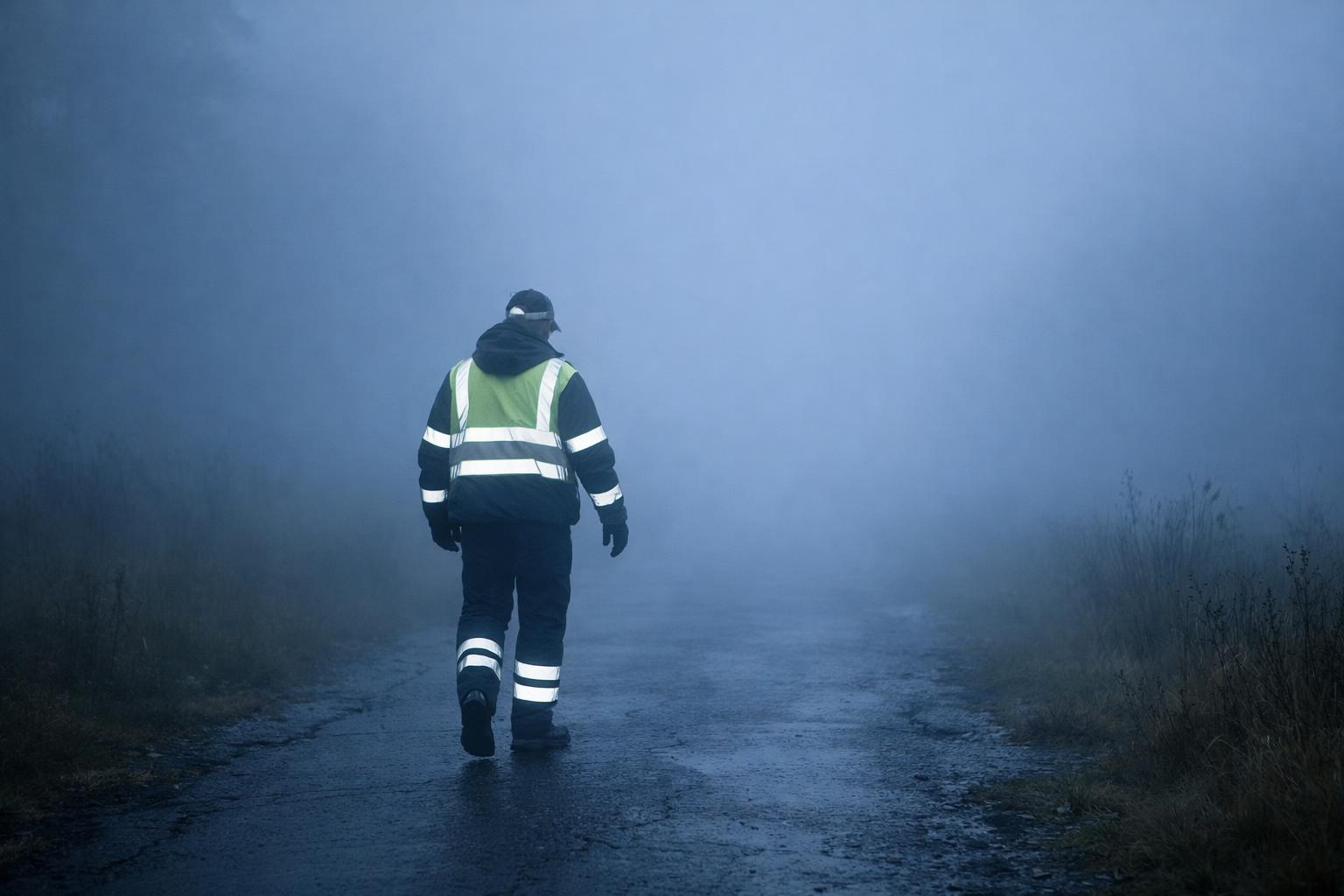
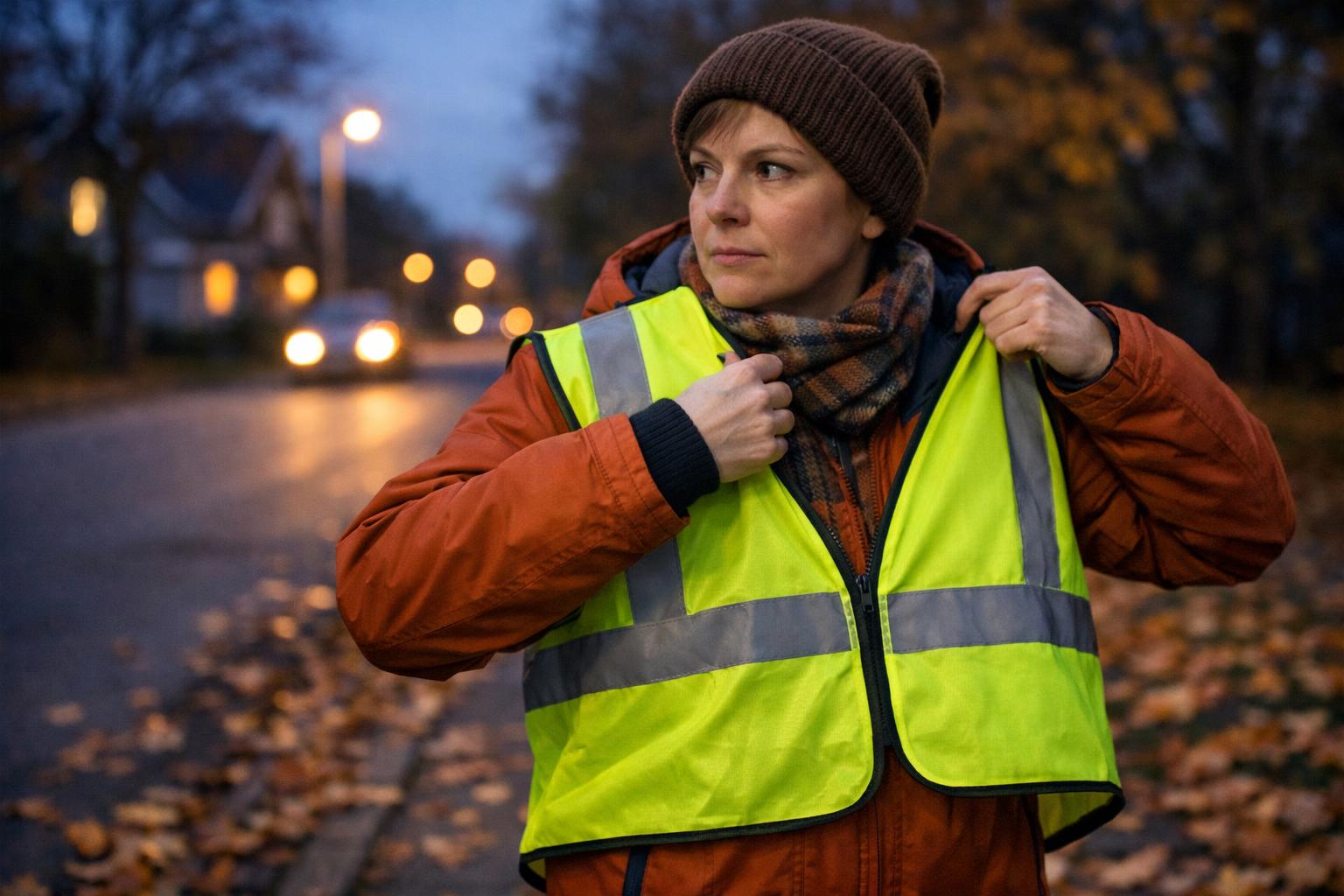
- Wear a vest, shirt or jacket with highly visible colors—such as fluorescent orange, yellow or green.
- In the evening, wear reflective clothing so drivers can see you from 1,000 feet away.
- Wear a hard hat, long-sleeved shirt and long pants to protect against flying debris.
- Stay alert to your surroundings at all times.
- Stand on the shoulder visible to oncoming traffic – do not stand in the traffic lane.
- Establish a communication system with other flaggers and the rest of the crew to use in an emergency.
- Be courteous to motorists as you encounter them. Do not respond to angry drivers. Instead, call law enforcement if necessary.
Work Zone Flagger Safety Don’ts
- Avoid standing in areas where you may be crushed.
- Avoid standing in the shade, around a curve or over the crest of a hill, as drivers may not see you.
- Wait for a co-worker to relieve you before leaving your post.
- Avoid distracting activities such as reading, day dreaming or talking with co-workers.
- Do not listen to music.
- Never turn your back to oncoming traffic.
- Stay a safe distance away from construction equipment.
For additional guidance on this topic, consult your supervisor.