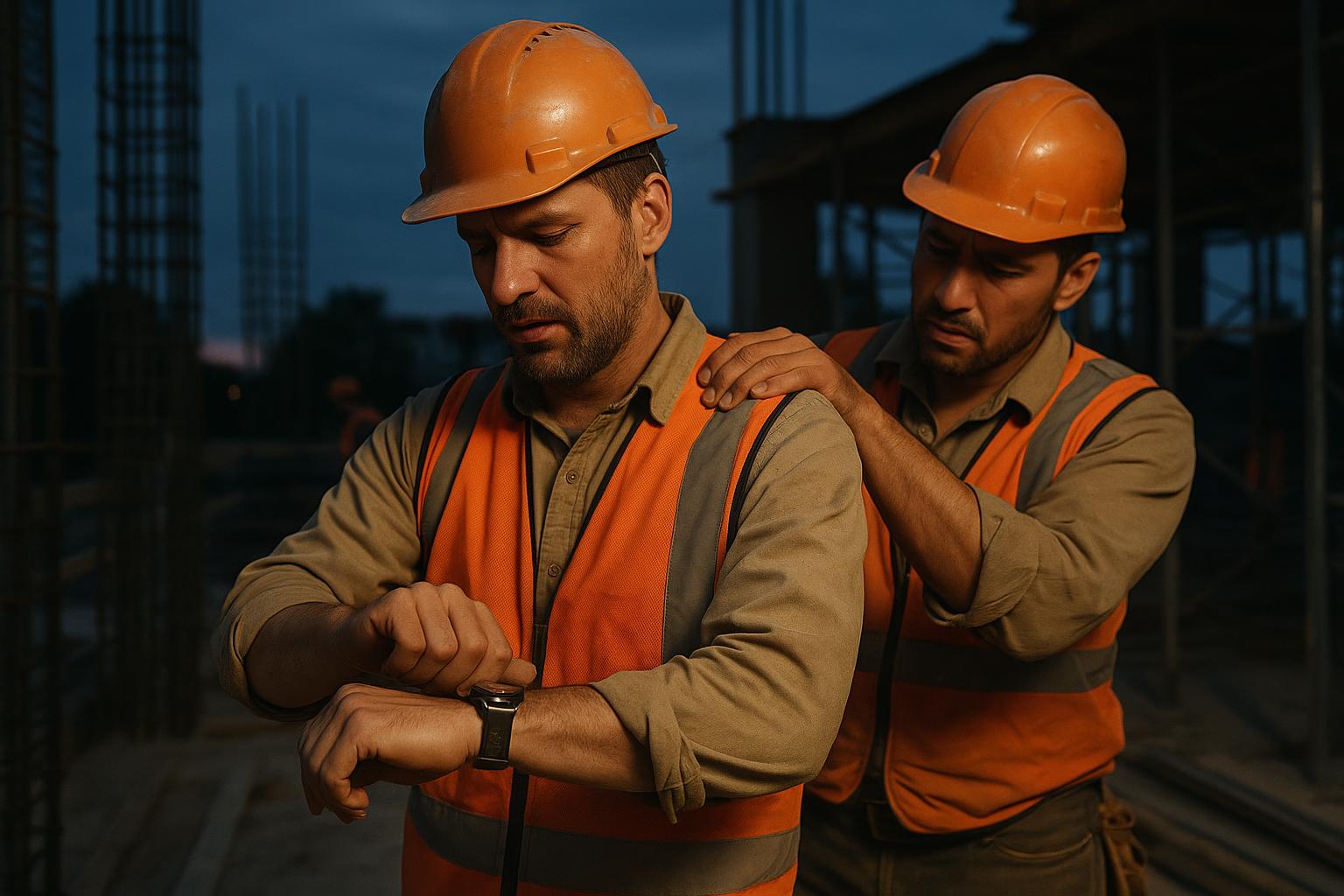
Whiteout conditions are among the most dangerous weather phenomena faced by workers in outdoor environments, especially in construction, mining, and transportation industries. A whiteout occurs when snow, fog, or dust reduces visibility to near zero, making it nearly impossible to distinguish the ground from the sky. This toolbox talk will share a real-life close call in a whiteout, discuss the lessons learned, and provide actionable safety tips to help you and your team stay safe.
A Close Call: The Incident
Last winter, a road maintenance crew was dispatched to clear a remote highway during a heavy snowstorm. Visibility was already poor, but as the wind picked up, the team found themselves in a sudden whiteout. One worker, separated from the group while checking equipment, lost all sense of direction. Disoriented, he wandered dangerously close to the edge of a steep embankment. Fortunately, a co-worker noticed his absence and used a two-way radio to guide him back to safety. The incident could have ended much worse, but quick thinking and adherence to safety protocols prevented a tragedy.
Understanding Whiteout Hazards
Whiteouts can occur with little warning. According to the National Weather Service, whiteouts are most common during blizzards or heavy snow squalls, but can also happen in dust storms or fog. The main hazards include:
- Loss of visibility: Workers can become disoriented and lose their way.
- Increased risk of slips, trips, and falls: Hidden obstacles and uneven terrain become invisible.
- Vehicle accidents: Drivers may not see other vehicles, equipment, or hazards.
- Exposure: Prolonged exposure to cold and wind can lead to hypothermia or frostbite.
Lessons Learned From the Close Call
- Never Work Alone in Hazardous Conditions
Always use the buddy system. In the incident above, the worker’s life was likely saved because a co-worker noticed his absence and responded quickly. - Maintain Communication
Reliable communication devices, such as two-way radios, are essential. Ensure all team members know how to use them and keep them charged and accessible. - Know Your Environment
Before starting work, review the area and identify potential hazards. Mark safe zones and dangerous areas with flags or reflective markers if possible. - Monitor Weather Conditions
Continuously monitor weather forecasts and be prepared to stop work if conditions deteriorate. The National Weather Service provides up-to-date alerts for hazardous weather. - Wear Appropriate PPE
High-visibility clothing, insulated gear, and eye protection are critical. In whiteout conditions, reflective tape and bright colors can help workers spot each other. - Establish Emergency Procedures
Have a clear plan for what to do if someone becomes lost or injured. Conduct regular drills so everyone knows their role in an emergency.
Actionable Safety Tips for Whiteout Conditions
- Stop Work if Visibility Drops: If you cannot see your hand in front of your face, it’s time to stop and seek shelter.
- Stay Together: Move as a group and perform regular headcounts.
- Use Landmarks: If possible, use ropes, flags, or other markers to guide your way.
- Limit Exposure: Take frequent breaks in a sheltered area to warm up and check on each other.
- Report Hazards: Immediately report any missing persons, equipment malfunctions, or unsafe conditions.
Why Whiteout Safety Matters
According to the U.S. Bureau of Labor Statistics, weather-related workplace fatalities accounted for 2% of all fatal occupational injuries in 2022, with many incidents occurring during winter storms and blizzards. Proper preparation and training can prevent these tragedies. Source
Conclusion
Whiteout conditions can develop quickly and create life-threatening hazards. The close call described here highlights the importance of teamwork, communication, and preparation. By following best practices and staying alert, you can protect yourself and your coworkers from the unexpected dangers of whiteouts.